
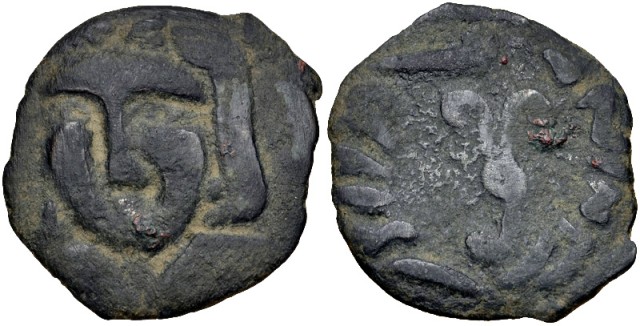
Archaeologists in Uzbekistan have discovered an ancient gold coin that may be one of the most significant historical findings. The coin is believed to date back to the 6th century, with the inscription “Turk-Khagan” engraved on its surface. Researchers suggest that this discovery could be the first written evidence of the existence of the Turkic people.
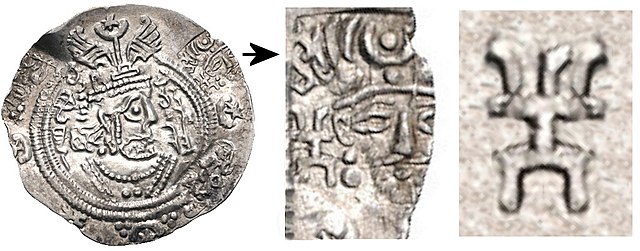
Historical Significance of the Coin
The coin likely belongs to the era of the Göktürk state, which existed in the 6th century and was the first official state of the Turkic peoples. The word “Khagan” at the time referred to the supreme ruler, and the presence of the inscription “Turk-Khagan” confirms that the Turks were already aware of their national identity and statehood.
Archaeological Value of the Discovery
This coin is not only a historical artifact but also provides new insights into the development of the Turkic language and culture. Researchers believe it may be the first known document containing the word “Turk.” If this hypothesis is confirmed, the discovery will reshape our understanding of early Turkic history.
Further Research
Historians and archaeologists are currently conducting detailed studies of the coin. Metal analysis will help determine its exact age, while comparisons with other artifacts will clarify its historical context.
This discovery could shed light on the early history of the Turkic peoples and their statehood, as well as provide new knowledge about the development of their language and culture.