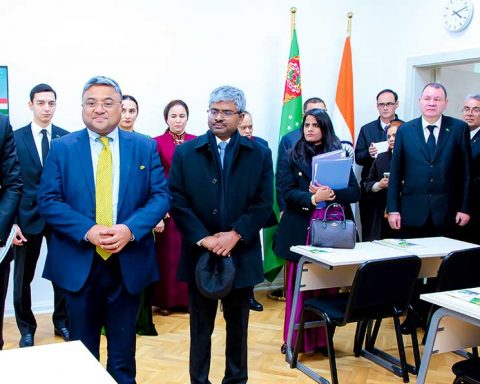
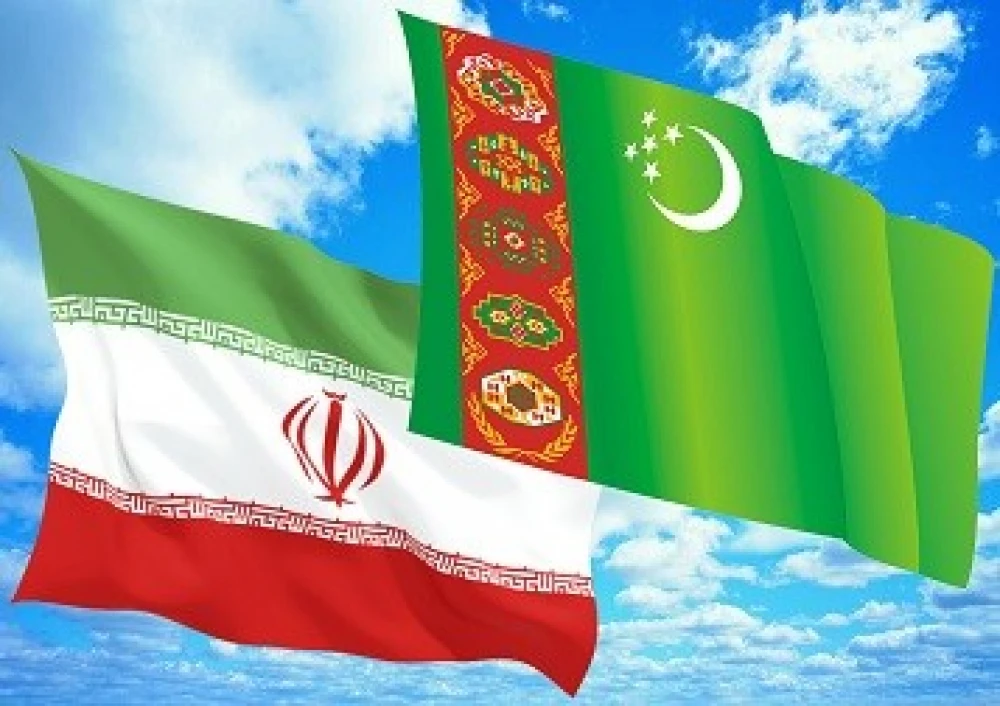
In recent weeks, Iran and Turkmenistan have signed an ambitious agreement—a roadmap dedicated to enhancing bilateral trade with a target value of 3 billion dollars. This strategic document marks a significant milestone in strengthening the economic ties between the two nations, whose geographical proximity and long-standing historical cooperation provide a solid foundation for future developments.
The key directions outlined in the roadmap include:
- Development of Logistics Infrastructure. The creation of modern transport corridors and logistics hubs will reduce costs and increase transportation efficiency.
- Application of Modern Technological Solutions. Implementing innovative tools and digital services is expected to enhance the quality of trade services and boost investment attractiveness.
- Enhancement of Service Quality. Raising service standards at all stages of trading operations will serve as a catalyst for sustainable economic growth.
- Expansion of Trade Opportunities. Encouraging diversification of goods and services and strengthening international trade relations will help both countries secure a more competitive position in the global market.
The signing of this agreement heralds a new phase in regional cooperation. It is anticipated that the implementation of the roadmap will lead to job creation, the development of transportation corridors, and the integration of national economies into the global trade system. The document also emphasizes the exchange of expertise in innovation, which will further consolidate the strategic partnership between Iran and Turkmenistan.
Moreover, this agreement is perceived as a strategic tool not only for economic advancement but also for deepening cultural and political ties between the two nations. It opens up new prospects for enhanced intercultural dialogue, long-term partnership, and the overall sustainable development of the region.
In conclusion, the 3-billion-dollar trade development roadmap between Iran and Turkmenistan serves as a vital impetus for deeper integration into the global economic system and stands as a demonstrative model of international cooperation in the face of contemporary economic challenges.