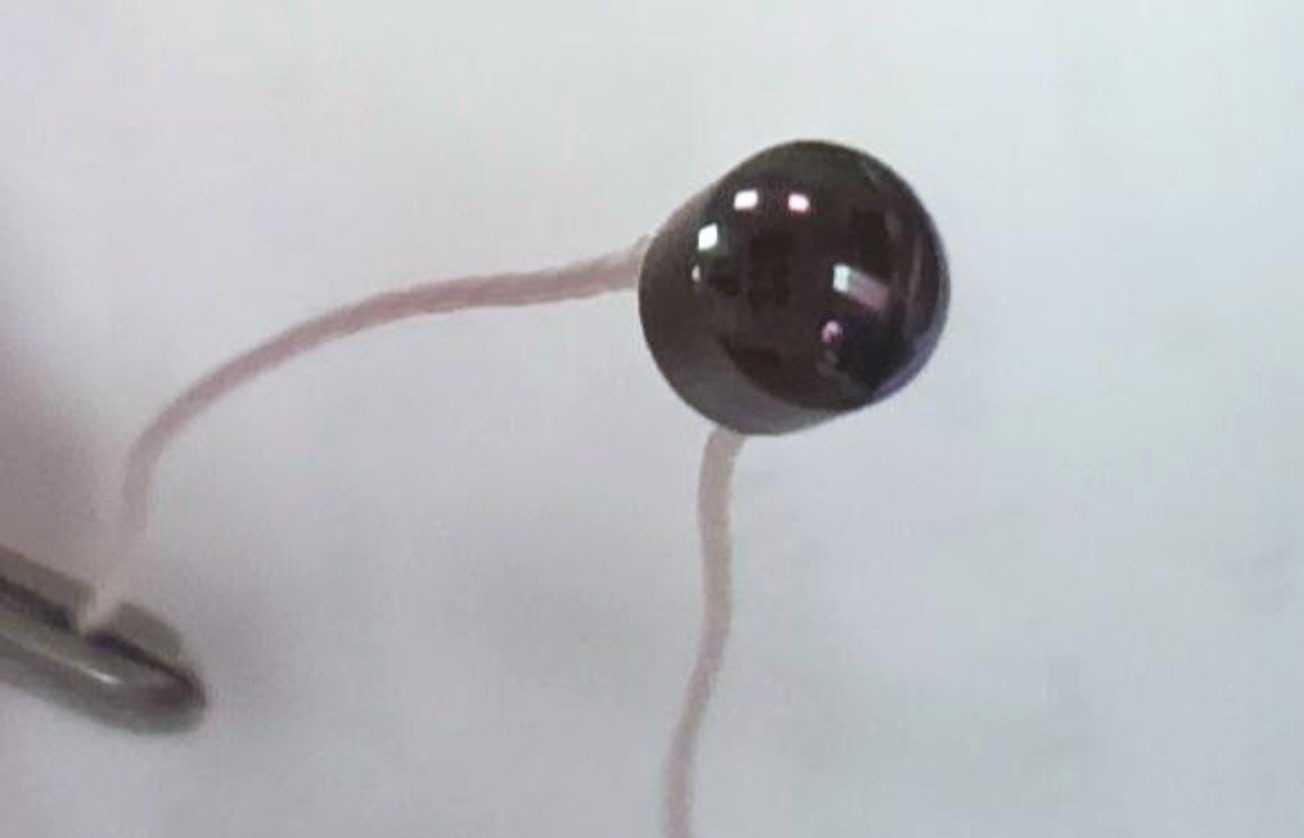
In Russia, the first photodiods were created to work in the near infrared range. These devices were developed by scientists from the University of Alferov, OKB-Planeta JSC and Ioffe-Rada LLC.
These photodids can become the basis for creating more advanced night vision devices and highly sensitive gas sensors. To create experimental devices, the composition of the semiconductor material was optimized-Arsenide of India-Gallia (INGAAS). A technology was also developed that allows you to create INGAAS crystals highly India.
New sensors can be used in night vision systems and for environmental monitoring. Thanks to the expanded sensitivity range, the instruments will be able to receive a more detailed image.
The development opens prospects for creating highly sensitive gas sensors that can be used to control emissions and solve environmental problems.
“We have developed a technology that allows you to create INGAAS crystals with a record content of India. This not only significantly expands the operating range of detectors, but also retains their compatibility with existing production processes. Thanks to this, our developments can quickly enter the market and compete with foreign counterparts, ”said Maxim Sobolev, head of the promising heterostructures of microwave microelectronics of Alfierov University.