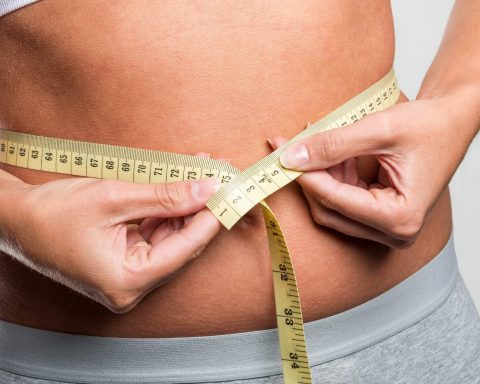
In general, weight fluctuations within 1-2 kg are the norm. However, if you quickly lost 5% or more from body weight, it is better to visit a doctor: this may indicate health problems.
Here are the weights of weight depend on what things.
Water consumption. The body weight of an adult is 60% water. During the day, the water content in the body can change by 5%.
Eating and its digestion. The process of digesting food and water loss usually lead to weight loss. In this case, constipation can lead to its increase.
Physical activity. During sports, you sweat and lose liquid. However, after the end of muscle training, the liquid can be kept in the recovery process.
Environmental temperature. Our body swears more in the heat, and with the cold it holds more water.
Hormonal changes. In women, weight often increases to menstruation or during them. Menopause and perimenopause can lead to the accumulation of fat in the body and slowing down metabolism. Hormonal background is also affected by diseases such as endometriosis, polycystic ovary syndrome (PCO), uterine fibroids. In men with age, testosterone levels are reduced, which can cause accumulation of fat on the stomach and a decrease in muscle mass.
Stress. It provokes the production of the stress of cortisol stress, which translates our body into survival regime.
Lack of sleep. He can strengthen the production of hunger hormones, because of which you will pull you to food and you can gain weight.
Alcohol. Alcohol temporarily reduces weight, causing dehydration. However, alcohol is high -calorie and can increase appetite.
Medication. Weight changes are often caused by steroids and diuretics.
Disease. Dehydration and weight loss can cause fever, diarrhea, vomiting. In this case, heart or renal failure leads to weight gain.
Weekend and holidays. Often during the days of rest, people gain approximately 0.5-1.2 kg.
News -in -law materials cannot be equated to the doctor’s prescription. Before making a decision, consult a specialist.