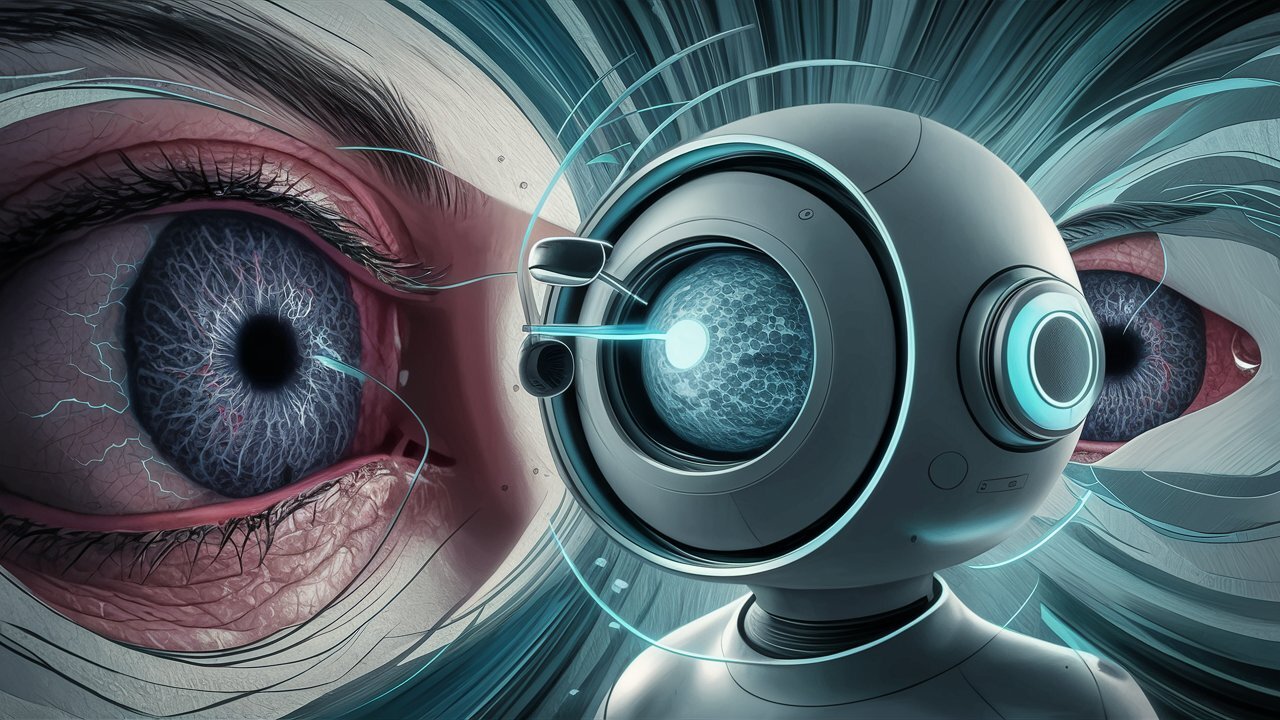
The study of scientists from Switzerland showed that people significantly exceed modern artificial intelligence systems (AI) in the recognition of objects depicted partially or with ruptures. This is due to how the human brain processes visual information, completing the missing contours.
The experiment was attended by 50 volunteers who showed images of everyday objects – for example, cups and hats – with partially remote or fragmented lines. Sometimes only 35% of the circuit was visible. The same task was offered by more than 1000 neuralates, including the most advanced ones.
The results were in favor of a person: even with significant distortions of the contours, the participants in the experiment retained high accuracy of recognition. AI-models under the same conditions were often mistaken or simply guessed the answers. Only those systems that were trained in huge sets of images and are specially adapted to the task, approached the human level.
The study also revealed an important feature of perception – the so -called “bias to integration.” People intuitively tend to combine fragments directed in one direction in a holistic image. Some models of AI, trained to take this property to take this property showed the best results.
Scientists believe that this ability to complete the contours is not innate, but is formed with experience.