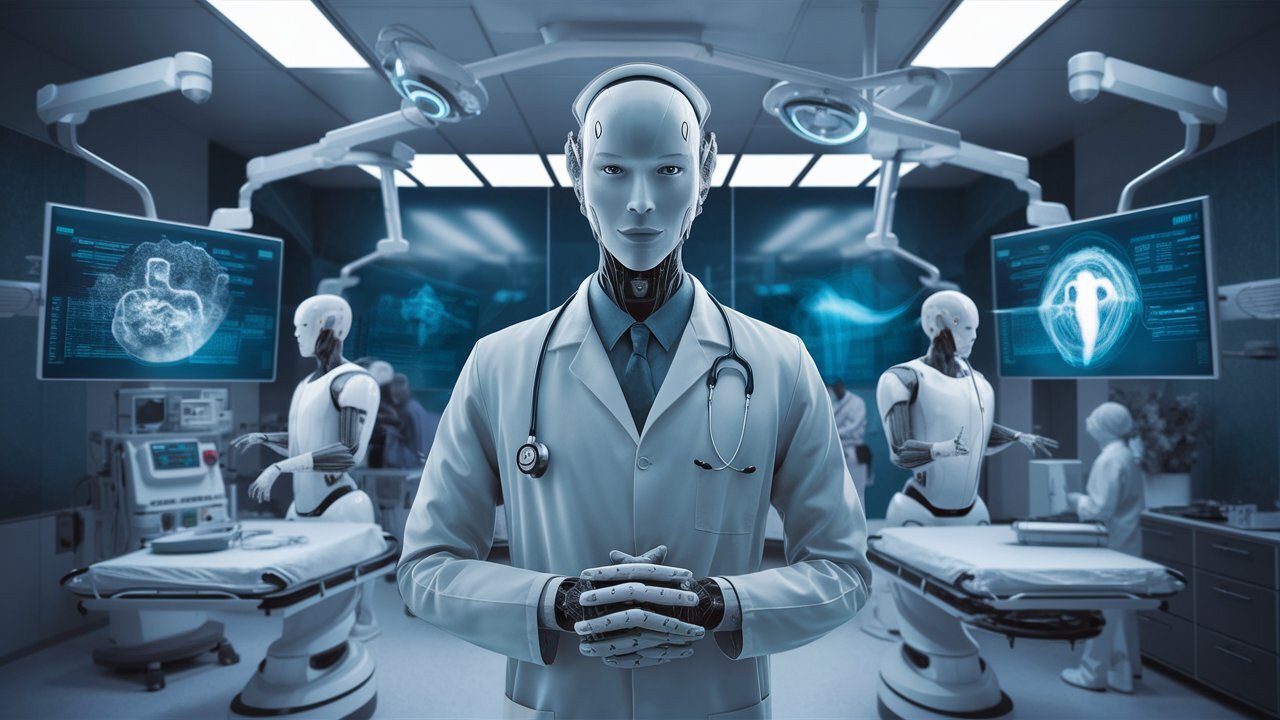
The Russian neural network based on the Gigachat model showed a high level of accuracy in the diagnosis of diseases. As part of the experiment, the Airi Institute’s specialists checked the work of the assistant based on artificial intelligence (AI) in 30 clinical cases from the New England Journal of Medicine. AI correctly determined the diagnosis in 28 of them, which amounted to 93% of accuracy.
The model worked without access to ready -made answers. First, she received basic information about the patient – age, gender and complaints, then consistently requested additional data: tests, visualization and conclusion of specialists. On average, to make a diagnosis, the system required three steps of dialogue.
AI Assistant successfully recognized several rare diseases, such as WipPla and Aceruloplasmiamia. Moreover, in one case, the diagnosis was made from the first request, in the other – after six. The study notes that the model is not only able to logically build hypotheses, but also abandon false assumptions if new data does not confirm it.
The experiment also had an unexpected result – emotionally saturated stories of patients enhanced the attention of AI, making it more accurate. The developers believe that the technology can be useful not only in medicine, but also in the training of doctors, offering complex scenarios for simulation.
The project was implemented by Airi and Sbermedia specialists. Now he is testing in the Appendix Appendix, where more than 160 thousand appeals have already been made.