Earthquake 8.8 and volcanoes on the verge: what will happen to Kamchatka now
06.08.2025
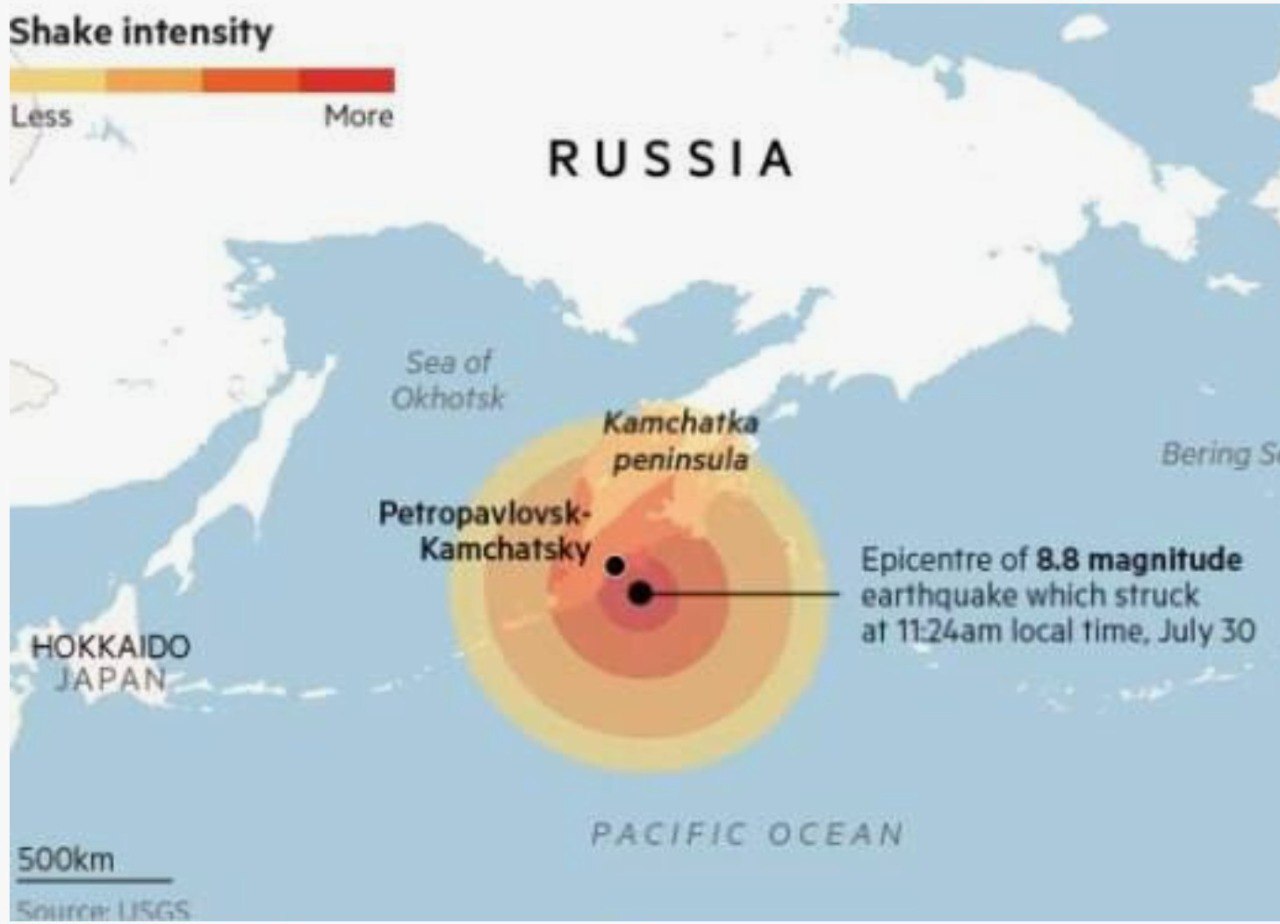
On the night of July 30, an earthquake with a magnitude of up to 8.8 occurred in Kamchatka, caused a tsunami, another of the famous Kamchatka volcanoes Klyuchevskaya Sopka intensified. What do scientists think about this? And will there be aftershoki?
In Kamchatka, a strong earthquake with a magnitude of up to 8.8 occurred in Kamchatka. The last time in the territory of the Kamchatka Territory and the Sakhalin Region, such an earthquake was recorded in 1952. If we compare the world, then this is the strongest case after an earthquake in Japan in 2011.
The reason for such a large -scale and strong earthquake was subduction. That is, one caster plate begins to lay up under another. This is a fairly popular cause of earthquakes.
In the Kamchatka area, the oceanic plate begins slowly, but correctly, crawls under the continental plate of Eurasia, and their thickness is different (oceanic is 3-4 times thinner than the Eurasia plate), the voltage accumulates and at some point there is a discharge, respectively, an earthquake.
Kamchatka branch of the FIC of the EGS RAS
As a rule, no more than 1-2 earthquakes with approximately such magnitude occur in the world per year. And to predict, in general, they can. According to scientists, in a short time, in about a couple of days, it is almost impossible to predict the earthquake, but in the medium -term and long -term forecast to assume in which area the earthquake will be and with which magnitude is already possible.
And this is really a problem. Even in Japan, hundreds of laboratories that observe seismic activity and possible tsunami are not able to warn the population in a few days.
For example, in Kamchatka for many years, earthquakes with a magnitude of more than 7.7 are carried out by the method of academician of the Russian Academy of Sciences S. A. Fedotov. In his last published work, the area where the recent earthquake occurred, a fairly high probability of an earthquake with magnitude 7.75 was characterized by a fairly high probability of the occurrence within it
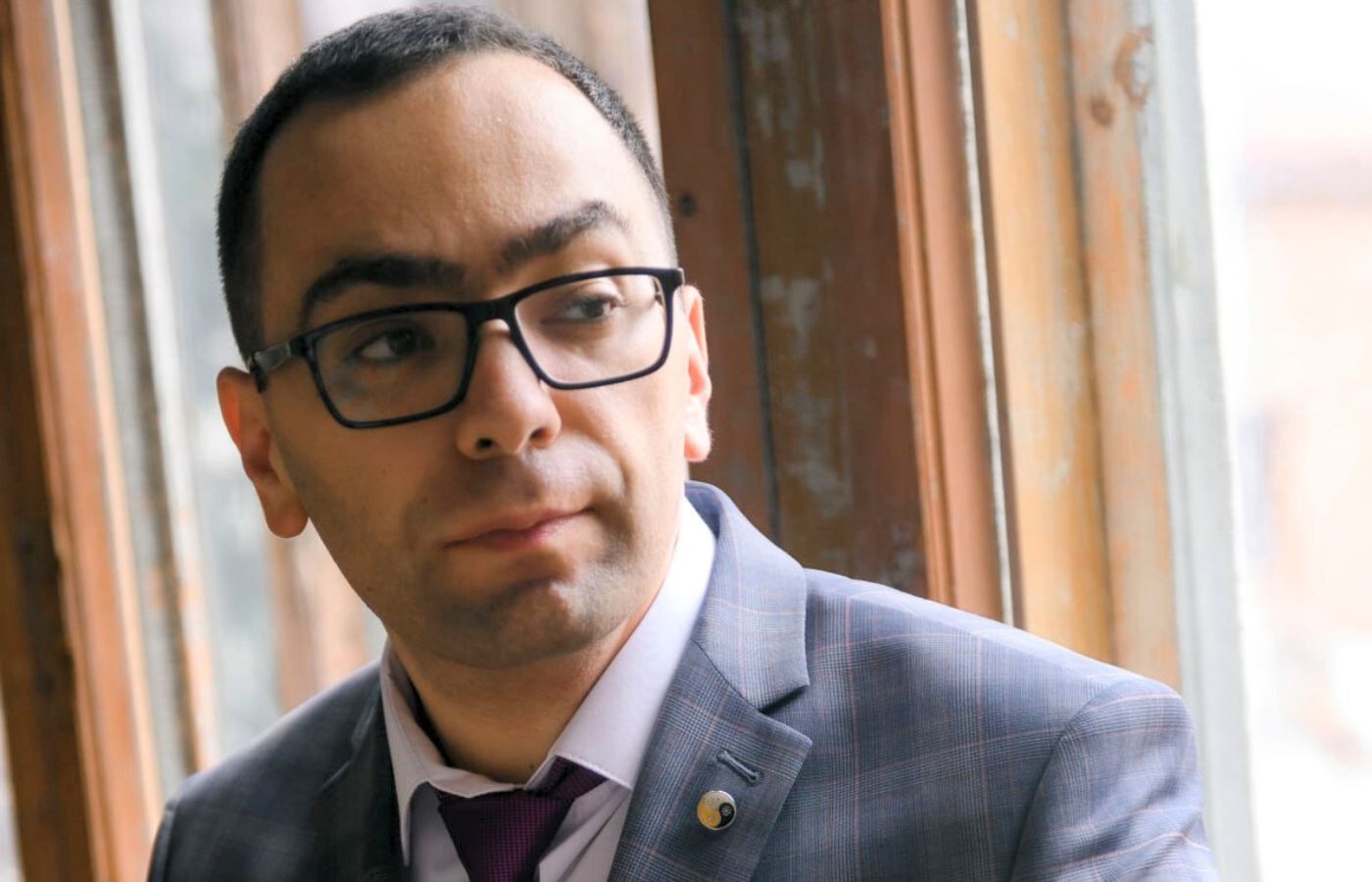
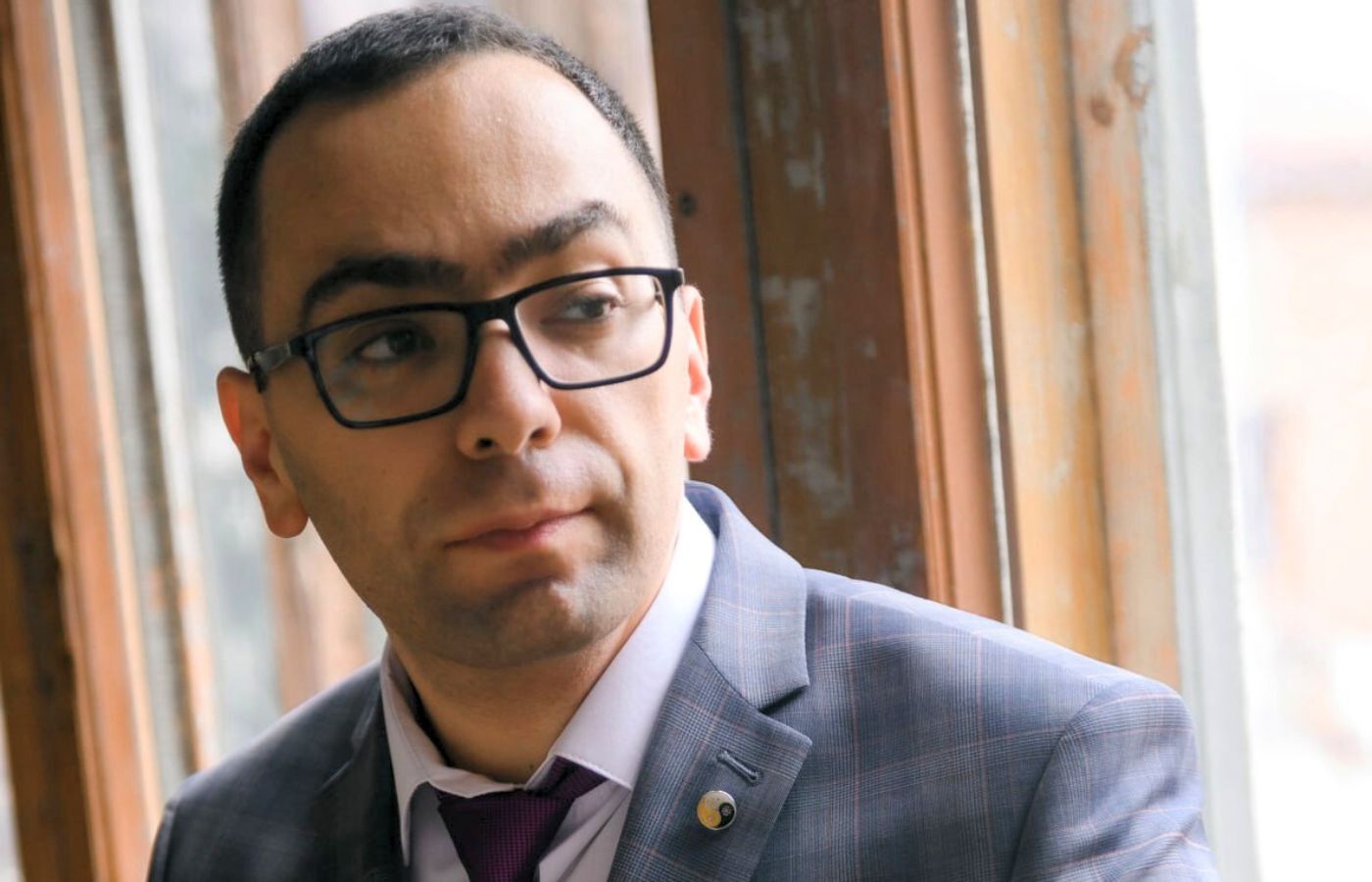
Boris Dzeboev Deputy Director for Science of the Geophysical Center of the Russian Academy of Sciences, Doctor of Physics and Mathematical Sciences
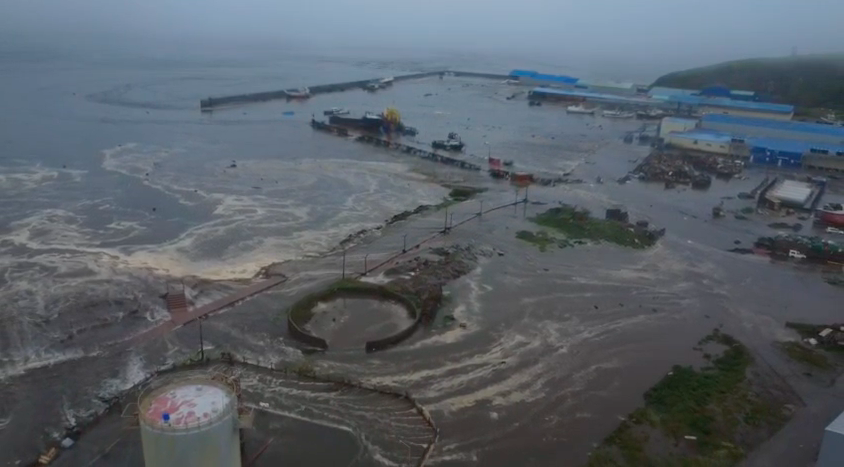
Sever-Kurilsk with a drone Russian Academy of Sciences
How are earthquakes registered?
In general, seismic activity, volcanoes, tsunami, and so on, are registered in the seismic station, such as the Kamchatka branch of the FIC of the EGS of the Russian Academy of Sciences, and with the help of geodynamic observations or geodetic observations.
Well, besides this, video surveillance and satellite systems are used, most often this is used behind volcanoes. All that was noticed is sent to a special database, with the help of which in the future there is an analysis and forecast of potential phenomena.
The network intended for registering earthquakes in the region includes more than fifty of modern digital seismic stations. Processing of wave forms obtained with their help allows you to determine the coordinates of the epicenter, depth, magnitude and other earthquake parameters
Boris Dzeboev Deputy Director for Science of the Geophysical Center of the Russian Academy of Sciences, Doctor of Physics and Mathematical Sciences
That is, there is an earthquake, for example, in the aquatic environment, all activity is recorded using sensors determining water pressure and sensors of the college of water, the so -called levels. This approach is used in Russia.
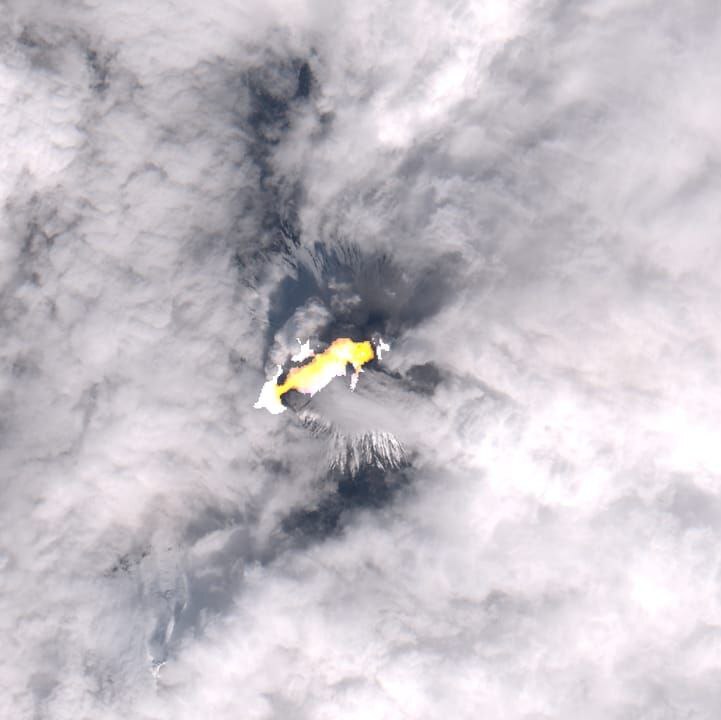
Satellite picture on July 30, the top of the Klyuchevskaya volcano. Kamchatka branch of the FIC of the EGS RAS
Aftershoki – what is it? And will they be in Kamchatka?
After the earthquake, aphtershoki almost always follow. Afterchoki is repeated shocks, after the main earthquake. They are weaker in their magnitude, and can continue from two weeks to several months.
In the case of Kamchatka, aphtershoki will be strong enough, approximately with a magnitude of up to 7.5. The next day after the main earthquake, near the shores of Kamchatka there was one apothershk, 6.7 by force, but on Petropavlovsk-Kamchatsky it felt about 3 points, and in North-Kurilsk reached 5 points.
Analysis of Afterchoks that occurred in the first 1-2 days will allow you to form a predictive assessment of the development of the aftershok process, including the likelihood of strong aftershok
Boris Dzeboev Deputy Director for Science of the Geophysical Center of the Russian Academy of Sciences, Doctor of Physics and Mathematical Sciences
But in addition to the aphthershoks, there is another danger – volcanoes.
Klyuchevskaya volcano and others
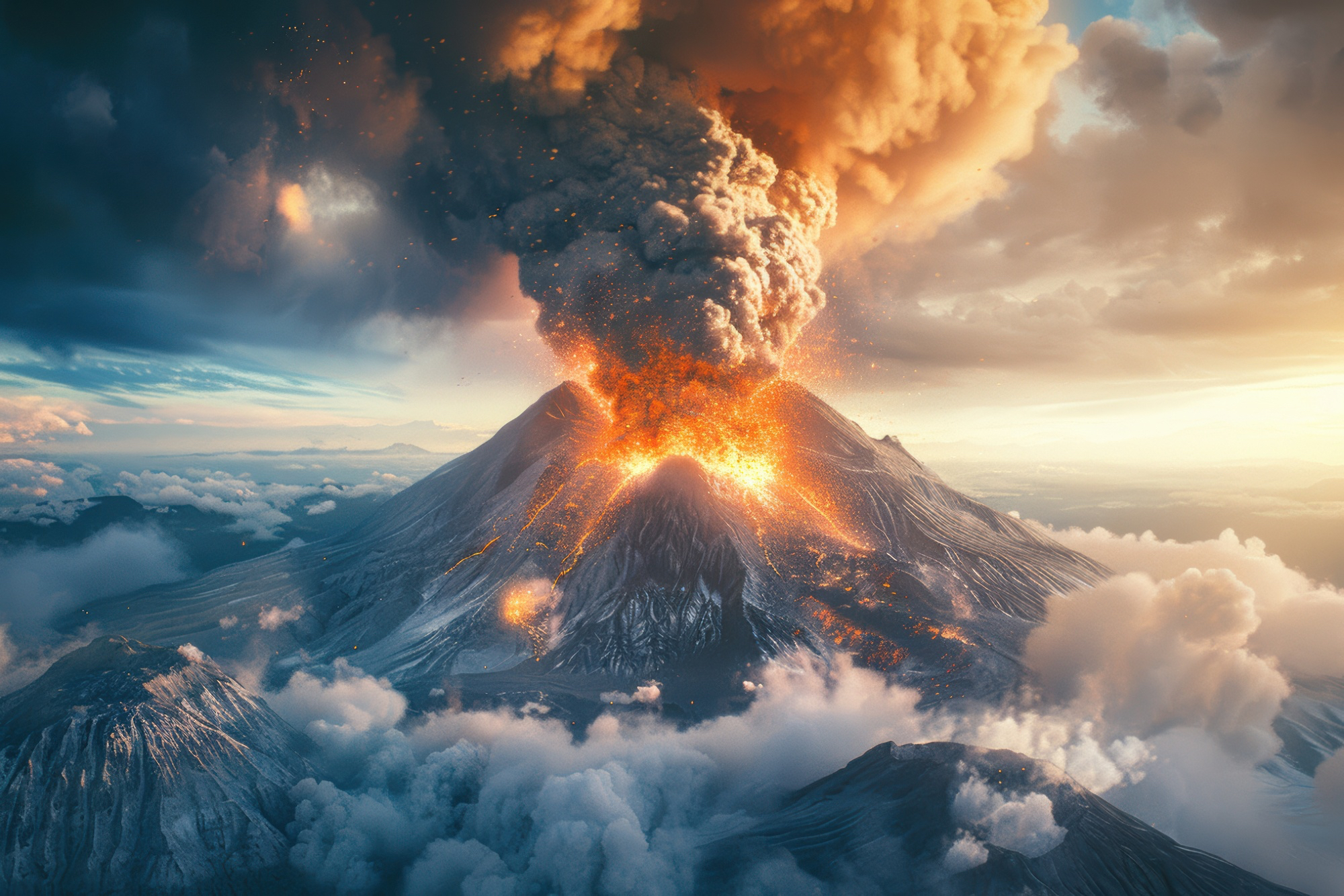
In connection with the earthquake, the Klyuchevskaya volcano was also activated – the highest active volcano in Eurasia. For experts, this was not a surprise, according to them, the volcanoes are already active enough, often erupted.
The crater was already filled with lava for some time, and the earthquake itself did not particularly contribute to the eruption of the volcano. Unless it helped a little lava over the edge to overflow.
But in addition to the Klyuchevskaya volcano, in connection with the concussions, the Avachinsky volcano also began to slowly wake up, although now it is in sleeping mode, but gas activity has increased.
The experts also noticed that the Kambalnaya volcano is the southern Kamchatka volcano, also intensified. How many more volcanoes will wake up from the next aphtershoks or earthquakes are not clear, experts cannot yet give an accurate answer, only assumptions.
Yes, and Kamchatka volcanoes are poorly studied to give accurate forecasts. But there will be no global destruction, at least, so scientists suggest.
But for us, scientists, it is now very important to fight a dangerous delusion that if a large earthquake has already passed, then the next will happen soon, after 50 or more years. This is wrong. It is necessary not to relax and continue measures for seismic protection of the region, as well as improve the system of warning about emergency situations. We were very lucky in the case of a recent earthquake, which, to our surprise, went through the best of possible scenarios. But there are no guarantees that we will also be lucky next time
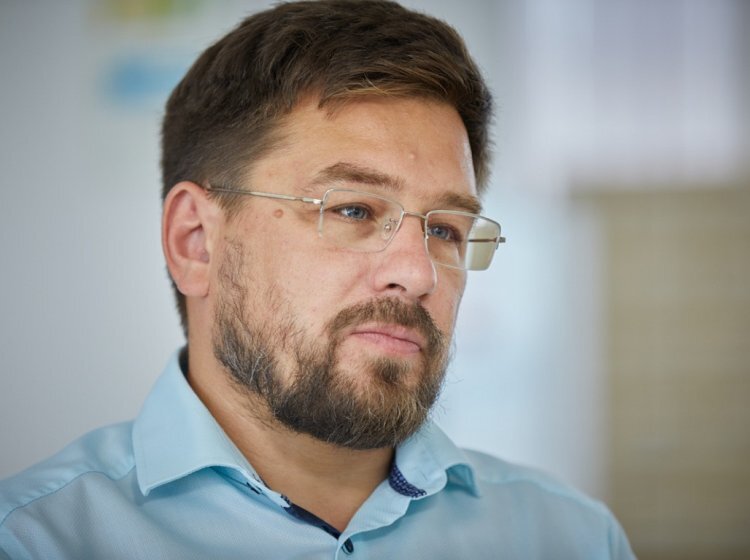
Danila Viktorovich Chebrov
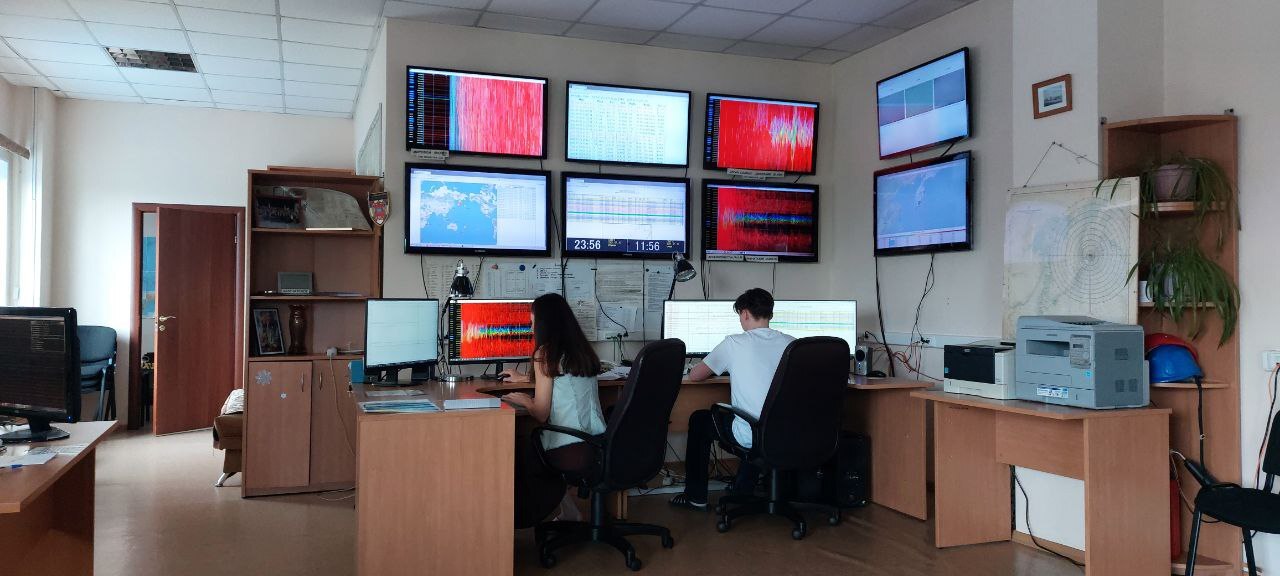
On duty operators observe the indicators Kamchatka branch of the FIC of the EGS RAS
Megasis in the world of volcanology and potential dangers
For scientists-Seismologists, such an earthquake has become a megasit for the world of volcanology. Specialists for the first time can fully observe the relationship of volcanoes and their activity and earthquakes. Even after earthquakes in Japan and Kamchatka in 1952, the processes must be studied more carefully, at least technology advanced forward during this time (like the same artificial intelligence).
If we talk about the potential consequences of the earthquake and eruption of volcanoes, then they will not be so large as in the legend of the city of Pompey. We can only melt the largest glacier on the peninsula. Because of this, the only road that connects the northern villages to the city can be blurred.
For the inhabitants of Kamchatka, this will be a very serious loss. But there will be no human victims or global disasters. So, everything will cost minimum losses, and then in the form of buildings and roads.
Ashgabat, 13 November 2025: On 13th November2025, the United Nations Development Programme (UNDP) in Turkmenistan, in cooperation with the Ministry of Communications of Turkmenistan,
A strategic move for digital sovereignty Following the completion of TikTok’s US segment sale, Oracle Corporation will assume control over the platform’s recommendation algorithm