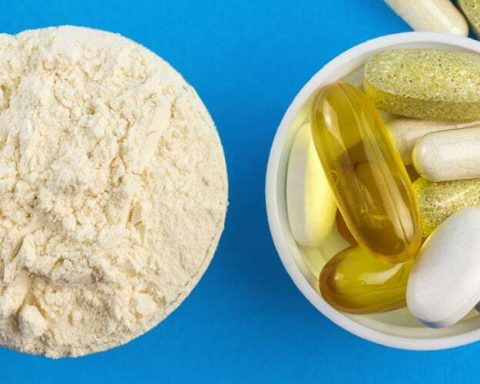

Ginger (Zingiber Officinale) is an integral part of any kitchen. Studies also show that it can have a wide range of properties useful for the body.
Relief of nausea. Numerous studies show that ginger reduces vomiting and nausea, especially compared to placebo. The National Health Service of Great Britain (NHS) even recommends using products and teas containing ginger to relieve nausea. There is evidence that ginger helps with nausea caused by chemotherapy.
Anti -inflammatory properties. Ginger contains a lot of gingerol and shogaol, with strong antioxidant and anti -inflammatory properties. One study showed that ginger reduces the activity of neutrophils, which become hyperactive in lupus, rheumatoid arthritis, antiphospholipid syndrome. Also, ginger has helps to fight bacteria, viruses and other harmful microbes.
Relocation of pain. According to some scientific research, ginger extract can reduce pain and stiffness in the knee in people with osteoarthritis. Another study showed that taking 2 g of ginger every day for 11 days reduces pain after training. Facilitates ginger and menstrual pain.

Support for heart and diabetes health. A review of 26 clinical studies conducted in 2022 demonstrated that ginger helps to significantly improve cholesterol and reduce blood pressure. According to the results of another study, taking 1-3 g of ginger daily for 4-12 weeks improves cholesterol and helps control the level of glucose in the blood.
Brain health and cancer. New data show that ginger can have neuroprotective and anti -cancer properties.
As a rule, ginger is safe when eating or with tea. However, it is important to adhere to moderate doses. More than 4 g of ginger per day can cause heartburn, bloating, diarrhea or irritation of the oral cavity.
News -in -law materials cannot be equated to the doctor’s prescription. Before making a decision, consult a specialist.