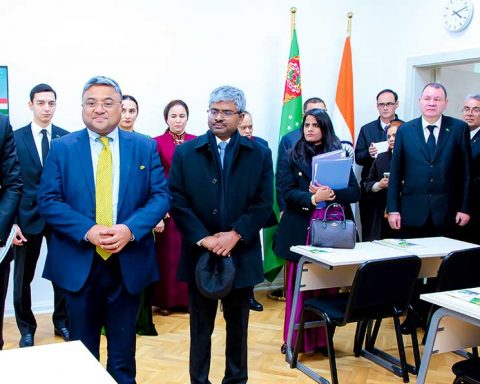
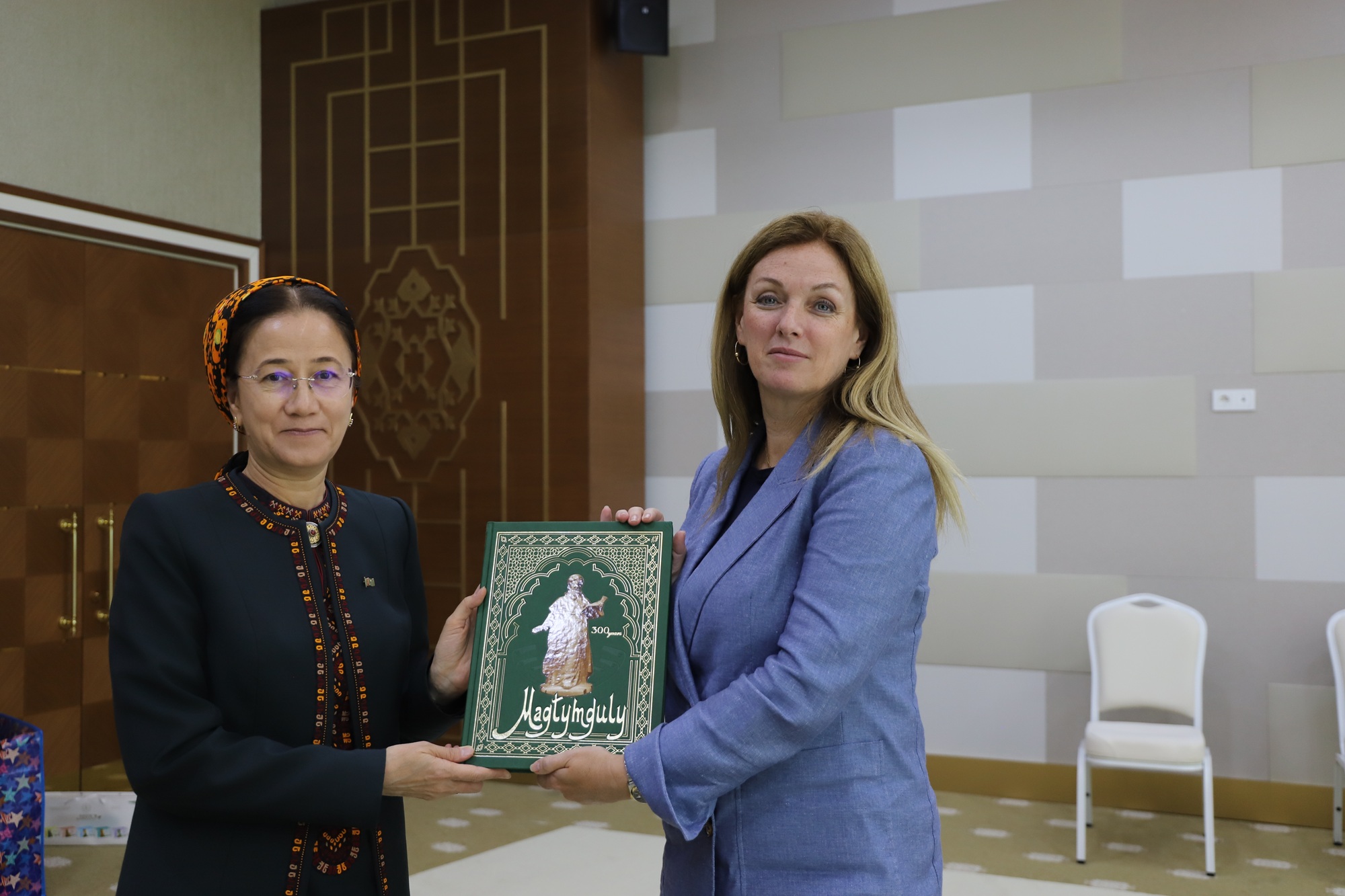
Ashgabat, Turkmenistan, 11 August 2025 — The United Nations Assistant Secretary-General, United Nations Development Programme (UNDP) Assistant Administrator, and UNDP Regional Director for Europe and the CIS, Ms. Ivana Živković, visited Turkmenistan from 4 to 8 August 2025 to participate in the Third United Nations Conference on Landlocked Developing Countries (LLDC3), held at the Awaza National Touristic Zone.
LLDC3 convened global leaders, policymakers, and development partners to tackle unique challenges and unlock the vast potential of landlocked developing countries. The Conference provided a vital platform to strengthen partnerships, promote innovative solutions, and mobilize resources to overcome barriers to trade, connectivity, and sustainable development—advancing inclusive growth and shared prosperity for all.
“The vulnerabilities of LLDCs are well known. Isolated from global markets and lacking access to the sea, LLDCs face significantly higher trade costs than coastal countries,” said Ms. Živković at the Plenary meeting of the LLDC 3. “At the same time, this group of countries possesses enormous potential. For instance, 35 percent of the population in LLDCs is under the age of 15 — a human capital that can drive the transformation of the countries from ‘landlocked’ to ‘landlinked’. As part of the UN family, the United Nations Development Programme serves all LLDCs through its network of 32 Country Offices – supporting them in driving forward national development priorities in line with the SDGs”.
Through active engagement in high-level dialogues and strategic partnerships, UNDP played a key role in advancing discussions on structural transformation, trade, regional integration, and financing for sustainable development during LLDC3 in Awaza.
Ms. Živković chaired a UNDP-hosted side event titled “Pathways for Transforming Development in LLDCs through Trade, Regional Integration and Value Chains,” which served as a platform to explore how enhanced trade, regional cooperation, and integration into global value chains can drive sustainable development for landlocked countries. UNDP has also launched a new brief, “An Economic Diversification Push for Landlocked Developing Countries”, highlighting how smart trade facilitation, green value chains, and investment in human capital can enable Landlocked Developing Countries to transform geographic challenges into opportunities for innovative connectivity and stronger regional cooperation.
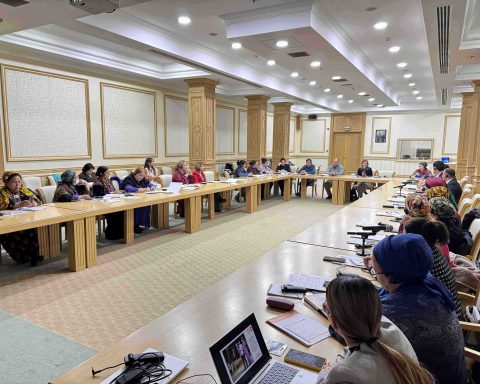
During LLDC3, Ms. Ivana Živković also spoke at the Women Leaders’ Forum, held under the theme “From Commitment to Change: Women Driving the LLDC3 Programme of Action:
“The Awaza Programme of Action reminds us that land‑locked developing countries can only reach their goals if women are fully, equally, and meaningfully involved in every decision. Their leadership is not only a matter of rights – it is essential for transforming economies, enhancing connectivity, and building resilience to climate and other shocks,” said Ms. Živković. “Across 170 countries and territories – including LLDCs – UNDP is prioritizing these principles through practical action, working closely with governments, development partners, and local communities.”
In addition, Ms. Ivana Živković delivered a keynote address at the side event hosted by the Government of Turkmenistan, themed “International Year of Peace & Trust, 2025: The Momentum to Implement SDG 16 Promoting Peaceful and Inclusive Societies for Sustainable Development.” Ms. Živković emphasized the importance of fostering peace, trust, and strong institutions as essential drivers of sustainable development and inclusive growth across LLDCs.
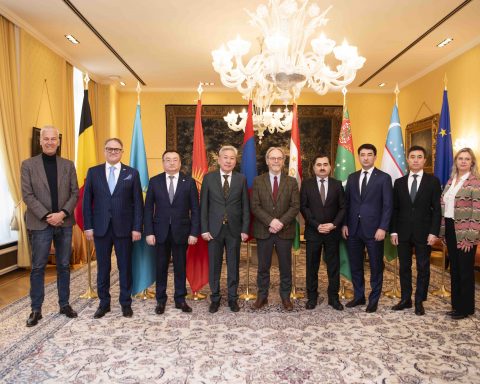
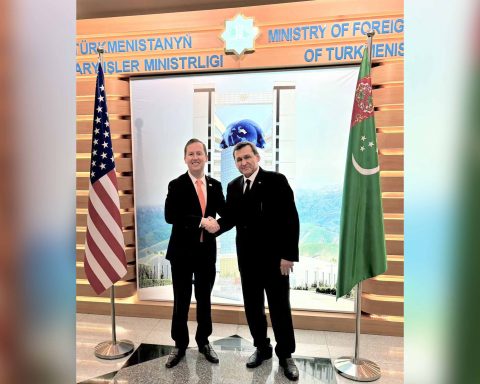
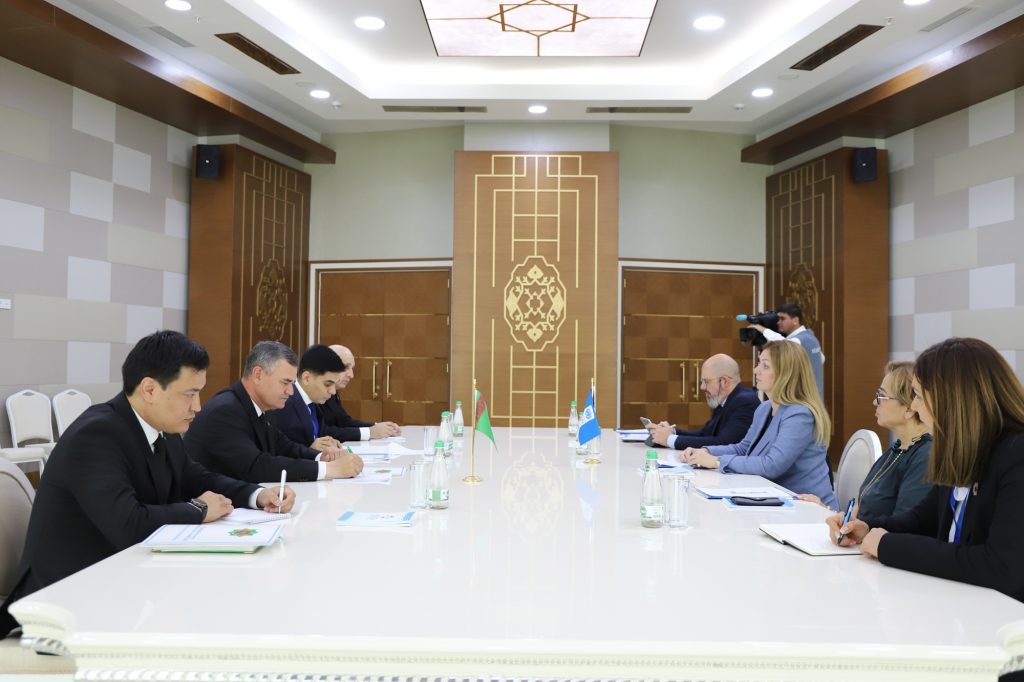
On the sidelines of LLDC 3, Ms. Živković held high-level meetings with senior Turkmen Government officials, including H.E. Mr. Rashid Meredov, Deputy Chairman of the Cabinet of Ministers and Minister of Foreign Affairs; H.E. Mr. Mammethan Chakiyev, Deputy Chairman of the Cabinet of Ministers; H.E. Bayramgul Orazdurdiyeva, Deputy Chair of the Cabinet of Ministers; and Mr. Ahmet Gurbanov, Deputy Minister of Foreign Affairs. The discussions focused on advancing strategic cooperation in key priority areas—economic diversification, healthcare, climate action, digital transformation, and regional connectivity—aligned with the upcoming Country Programme Document for 2026–2030.