
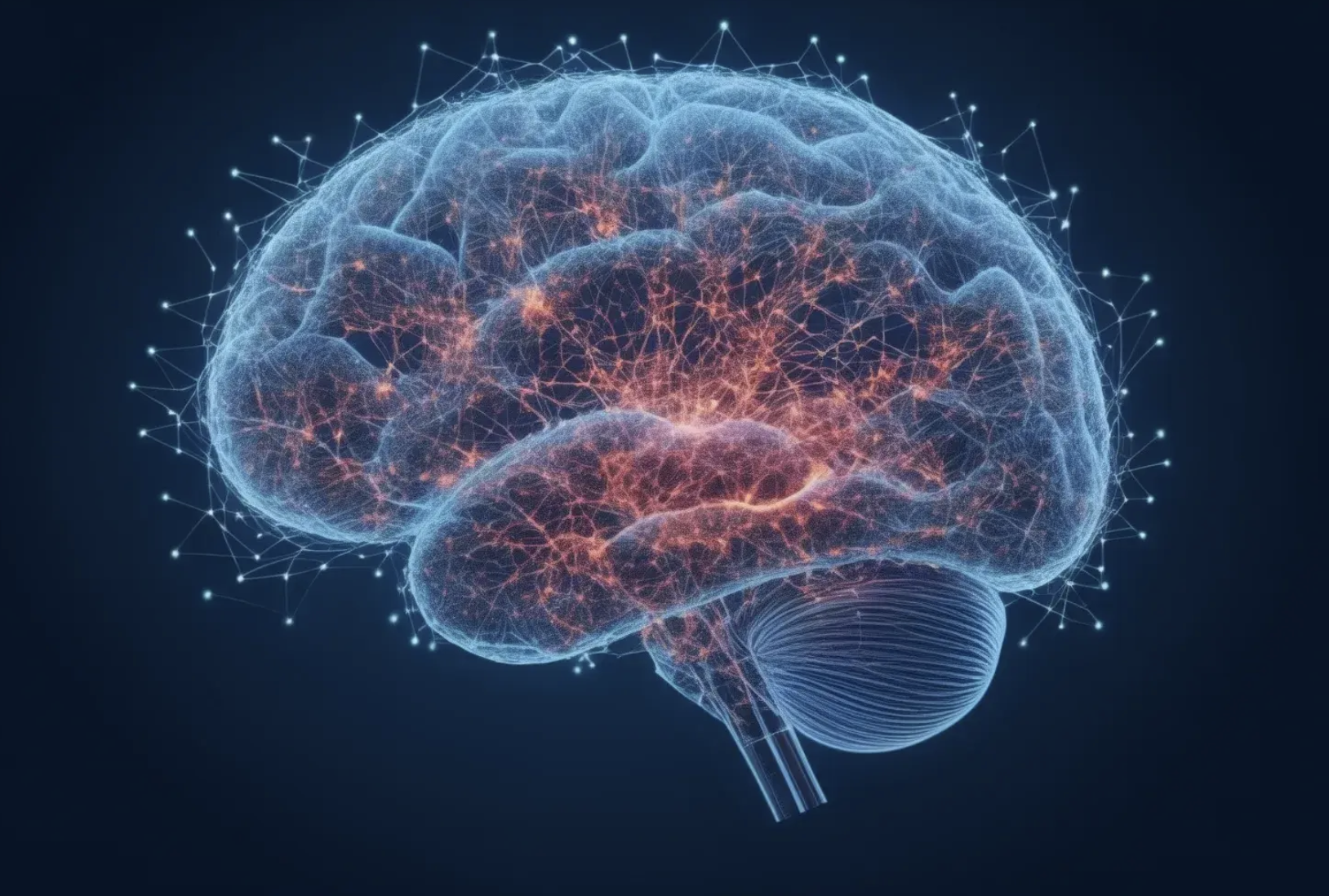
The press service of the Novosibirsk State University (NSU) reported that university scientists have established that regular meditation contributes to the formation of new connections between the speech and motor functions of the brain. This opens up prospects for using such practices in the treatment of speech disorders and cognitive disorders.
Experiments were conducted in the Baikal meditation center in Buryatia with the participation of people who have long practiced the Buddhist meditation of Samadhi, and the control group without such experience. In total, experts analyzed 204 records of electroencephalography. Participants performed tasks to stop traffic at the signal and search for grammatical errors in the sentences.
The most noticeable differences between groups were revealed in tasks related to speech control. Mediting participants observed a stronger neuron response to grammatical errors than people who do not practice meditation. This indicates a more coordinated work of the zones of the brain responsible for speech and movements.
In the case of motor monitoring, the differences were less pronounced and more dependent on personal characteristics, including anxiety, age and emotional stability.