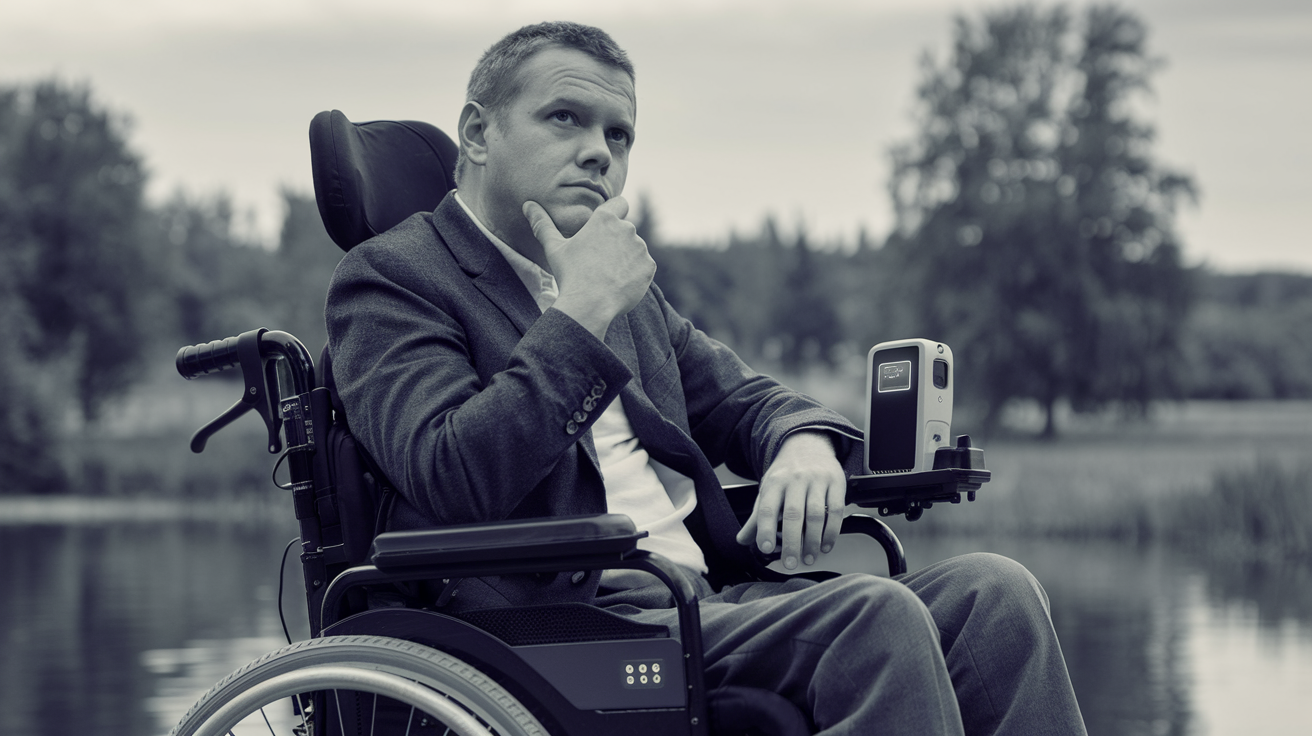
Specialists of the Institute of Problems of Machine Studies (IPMash) of the Russian Academy of Sciences, together with the St. Petersburg State University, presented a robotic wheelchair controlled by brain signals. The project was told by the head of research Alexander Fradkov at the NEUROT’2025 International Conference.
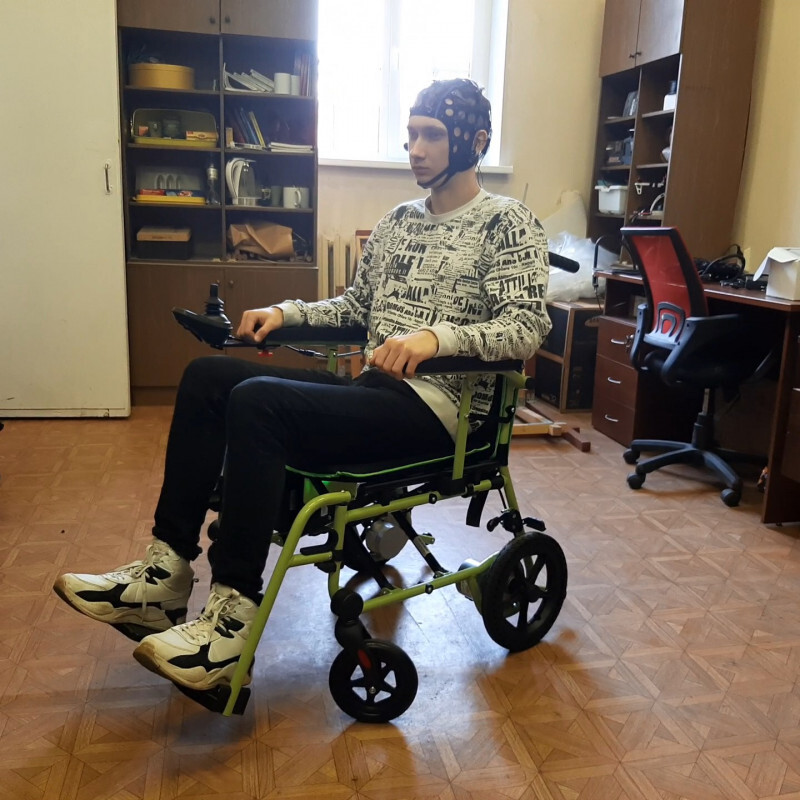
The system works on the basis of electroencephalography (EEG), reading the activity of the brain through a special hat with sensors. The developed machine learning algorithms analyze neural signals, recognizing the user’s intentions to turn right, left or move forward.
The key advantage of the technology is its non -invasiveness. Unlike similar developments requiring surgical intervention, only external sensors are used here. The system automatically adapts to the individual characteristics of the brain activity of each user, which increases control accuracy.
The development is based on modern methods of cybernetic neurobiology – a new scientific direction that combines neurobiology and management theory. Scientists have created special mathematical models that allow you to accurately interpret the signals of the brain and convert them into commands for electrical wheel drives.