3D-sized brushes: Breakthrough in hygiene or dangerous illusion?
21.08.2025
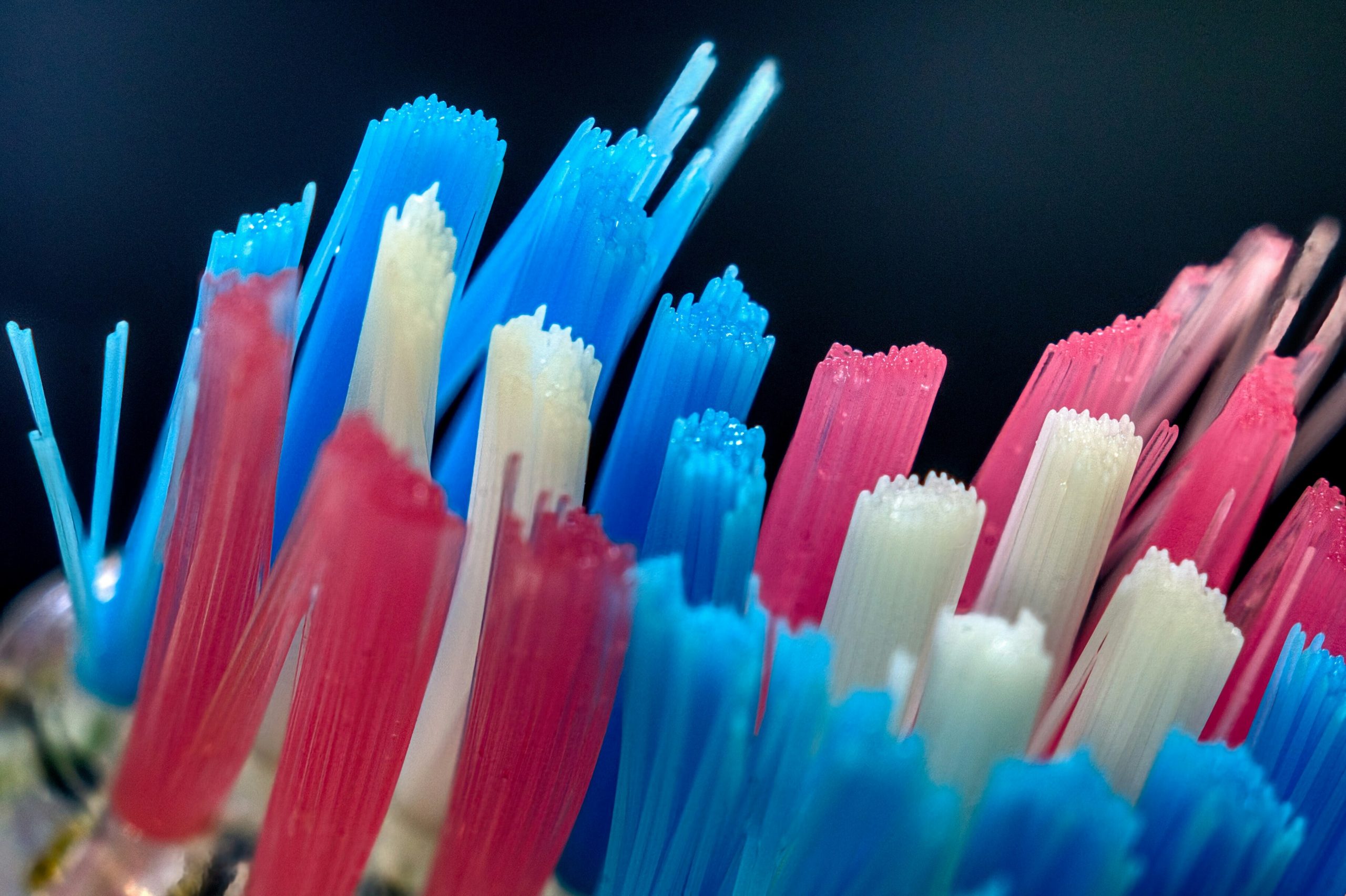
Against the backdrop of the popularity of new technologies in everyday life, 3D-sized brushes attract more and more attention. They are promoted as an innovative breakthrough in the care of the oral cavity. However, the ineffectiveness and potential harm can hide behind a fashionable design and loud promises. We’ll catch Kudaev, the founder of the federal network of the clinic “teeth in one day”, told what to pay attention to when choosing a brush and why traditional models are still more reliable.
According to the expert, the effectiveness of the 3D tests is largely exaggerated. The design of such brushes limits the area of contact with the teeth, especially in hard -to -reach areas. This reduces the quality of cleaning compared to classic brushes.
The working area of such brushes is limited by gaps between bristles, which significantly reduces their effectiveness in comparison with traditional models. This is especially noticeable when cleaning hard-to-reach places where the 3D structure is almost useless.
Click Kudaev Founder of the federal network of clinics “Tooth for one day”
In addition to low efficiency, 3D tests can be potentially dangerous. Due to the complex form with protruding elements, the risk of damaging the gums or scratch enamel increases. It is also more difficult to control the pressure power than when using a conventional brush, especially in children and the elderly.
Special alarm causes the origin of these devices. Most 3D models come from China, where certification is less strict than that of medical devices. This means that some of the products may not meet security standards.
Of course, Chinese manufacturers occupy a leading position in this market, and the process of certification of toothbrushes is significantly simpler than medical products.
Click Kudaev Founder of the federal network of clinics “Tooth for one day”
Today, the market of 3D-sized brushes in Russia is actively developing, and young people are especially interested in them. However, so far consumer trust remains limited: about 70% of Russians still prefer classic brushes of medium stiffness. To increase demand, manufacturers need not only to improve product quality, but also to provide evidence of its effectiveness.
Prices for such brushes vary greatly. Chinese models can be found for 200-1000 rubles, while European and American – within 1000–3000 rubles. South Korean – from 800 to 2500 rubles. Despite this, the high price does not always guarantee the result.
Los Angeles, December 2025 — Disney, one of the world’s leading media and film companies, officially announced a cooperation agreement with OpenAI. Under the
Ashgabat, 13 November 2025: On 13th November2025, the United Nations Development Programme (UNDP) in Turkmenistan, in cooperation with the Ministry of Communications of Turkmenistan,
A strategic move for digital sovereignty Following the completion of TikTok’s US segment sale, Oracle Corporation will assume control over the platform’s recommendation algorithm