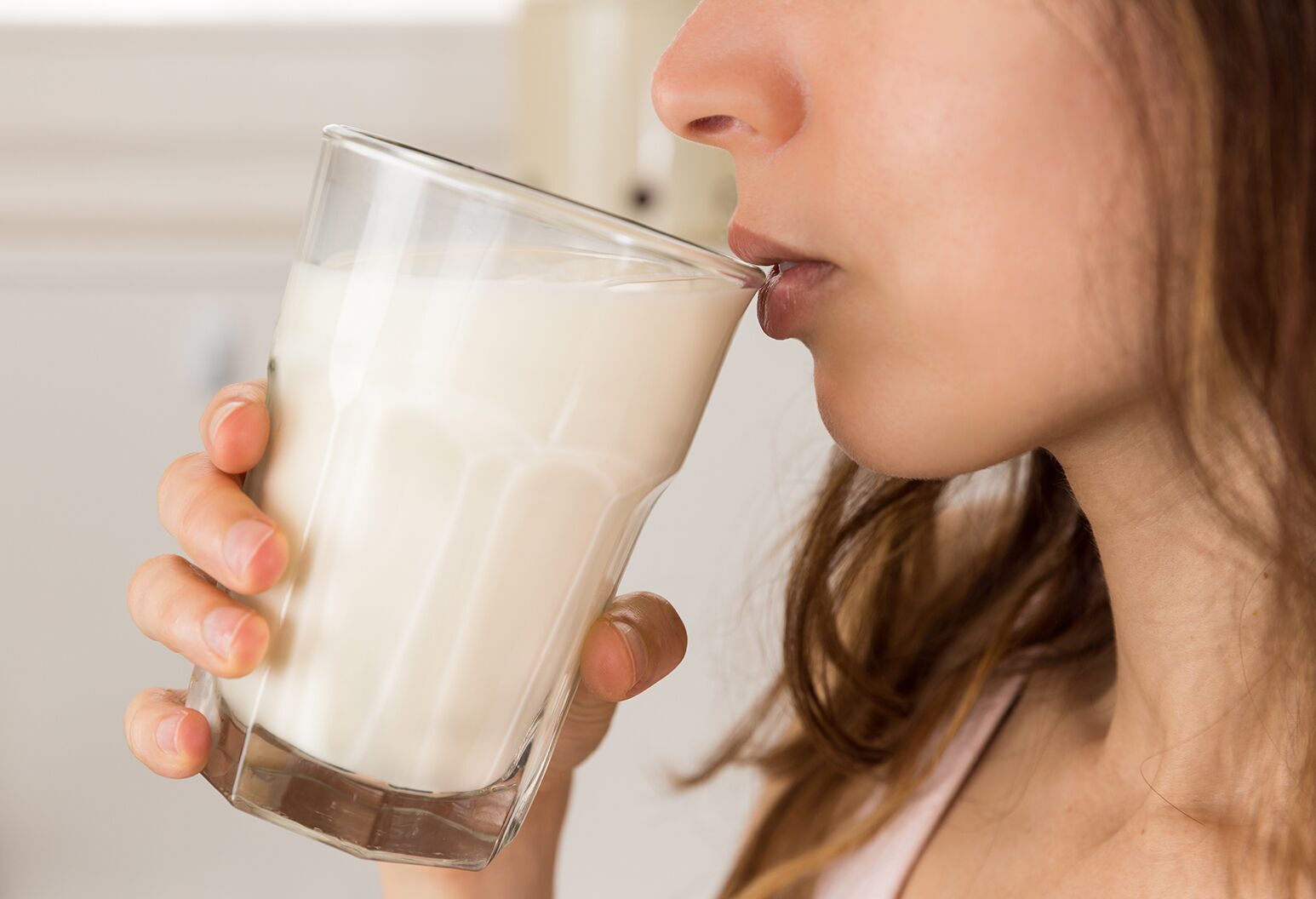
It is believed that raw milk is more “natural” and contains more nutrients than pasteurized. However, many of these statements are not supported by science. This is what scientists actually say about this.
There is more nutrients in cheese milk. Experts note that in fact, pasteurization has little effect on the content of vitamins in milk. Vitamin C can really become less due to heating, but there is little it by nature in milk.
Raw milk contains more fatty acids. Studies demonstrate that pasteurization does not change the composition of fat in milk.
Raw milk supports immunity. According to scientific papers, antimicrobials in milk are not enough so that they can destroy harmful bacteria in this drink. Studies also show that pasteurization almost does not affect antimicrobial substances.
Due to raw milk, digestion improves. According to the results of research in humans and animals, pasteurization does not affect the absorption of milk. It is also known that cow immunoglobulins in milk do not strengthen the immune system of people.

Raw milk protects against allergens and asthma. Some studies show that children with allergies to milk have an allergic reaction to both raw and pasteurized milk.
Raw milk is better to drink with lactose intolerance. In the milk itself, in fact, there are no lactase (enzymes that help break down lactose) and beneficial bacteria that produce it.
Raw milk prevents osteoporosis. A large amount of calcium is contained both in cheese and in pasteurized milk. The process of pasteurization does not affect the absorption of calcium by the body.
News -in -law materials cannot be equated to the doctor’s prescription. Before making a decision, consult a specialist.