

According to the National Cancer Institute, more than 33,000 sunburns are recorded every year, which require contacting emergency care. That’s when with burns it is worth going to the doctor.
The sun emits the UV radiation on three different wavelengths: UV-A, B and S. UVC radiation blocks the ozone layer of the Earth, but the other two reach the surface of the planet.
According to dermatologists, UVA radiation leads to aging. These rays destroy collagen, cause the appearance of age spots and wrinkles. In this case, the UV type B is the cause of the appearance of burns.
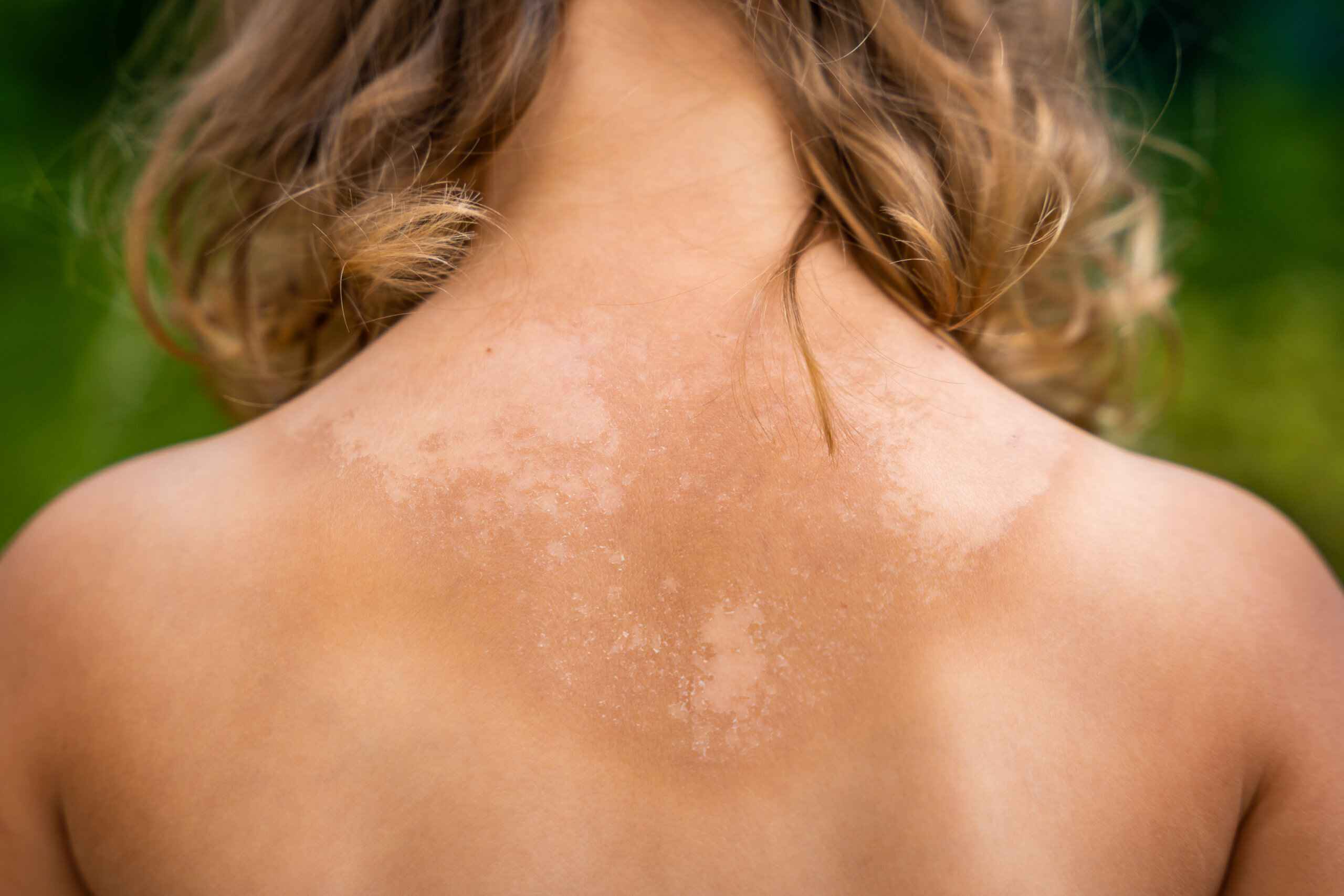
Obtaining five sunburns increases the risk of developing melanoma (skin cancer) by double. Even after healing, the skin never becomes the same. According to the American Oncology Society, five -year survival in melanoma is 99% in early detection. If the disease spreads, then this indicator decreases to 35%.
The solar burn of the first degree affects the upper layer of the skin. After 12-24 hours after it, a person can notice pain, itching, redness of the skin. A second-degree burn damages the dermis, which is why blisters, edema are formed, and an infection risk occurs. Depending on severity with such a burn, medical care may be required.
Sunny burn of the third degree occurs very rarely. It manifests itself in the form of numbness, tingling, white, leathery or burned spots. Also, a person with this burn experiences a thermal blow or thermal exhaustion. This can be accompanied by confusion, dizziness, dehydration, chills, lack of sweating. In this case, urgent medical care is required.
News -in -law materials cannot be equated to the doctor’s prescription. Before making a decision, consult a specialist.