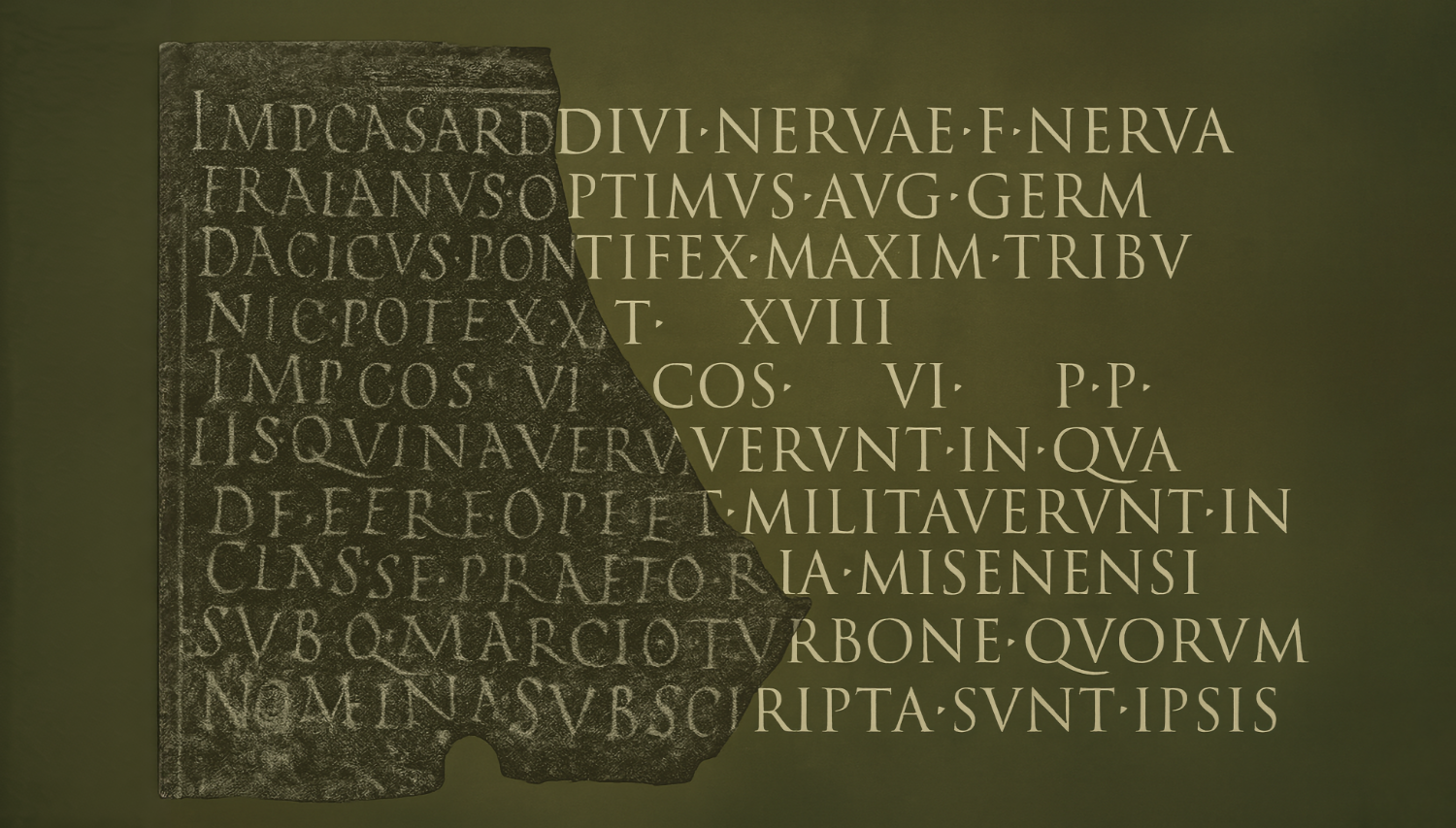
Google Deepmind introduced Aeneas – the first AI, created specifically for the restoration and analysis of ancient texts.
The new generative algorithm helps historians interpret, attribute and even supplement damaged inscriptions, recreating lost fragments.
Aeneas works with Latin texts and knows how to find parallels between thousands of inscriptions: coincidences in the formulations, syntax, structure and origin.
He is able to process not only the text, but also the images, which is especially important when working with artifacts, where part of the information is presented in visual form.
Although the model is trained in Latin, it can be adapted for other ancient languages and native speakers – from papyrus to coins. This makes it a universal tool for researchers of the past.
Aeneas is already available free of charge on the website PredictingThepast.com. The source code and the training sample are posted in the public domain so that scientists and students around the world can use it in their projects.