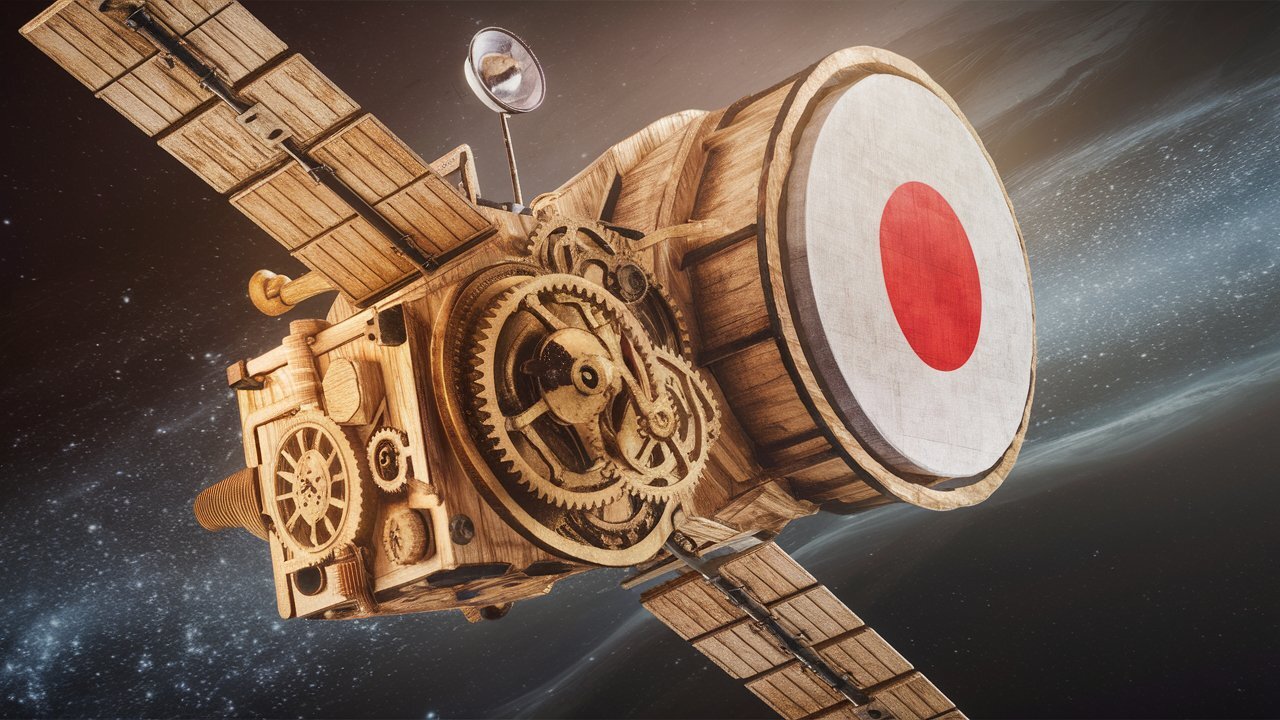
Two Japanese weather recruits-Himwari-8 and Himwari-9-unexpectedly turned out to be useful not only for weather forecasts on Earth, but also for studying Venus. Scientists have found that for almost a decade they recorded data on the neighboring planet.
Initially, attention was drawn to the moon, which was noticed in the archives of the satellites. Researcher Gaki Nisiam from the German Aviation and Cosmonautics Center began to study these images and also found Mercury, Mars, Jupiter and Venus on them. It turned out that the satellites regularly recorded changes in the brightness of Venus in the infrared range.
These observations made it possible to make one of the longest infrared data archives on Venus. Scientists recorded fluctuations in the temperature of the clouds and waves that carry heat in the atmosphere of the planet – the so -called thermal tides and waves of Rossby.
In addition, the comparison of Himwari images with the data of the Akatsuki spacecraft revealed discrepancies, which will help to clarify the calibration of devices on board the mission and get more accurate information about the temperature of the atmosphere of Venus.