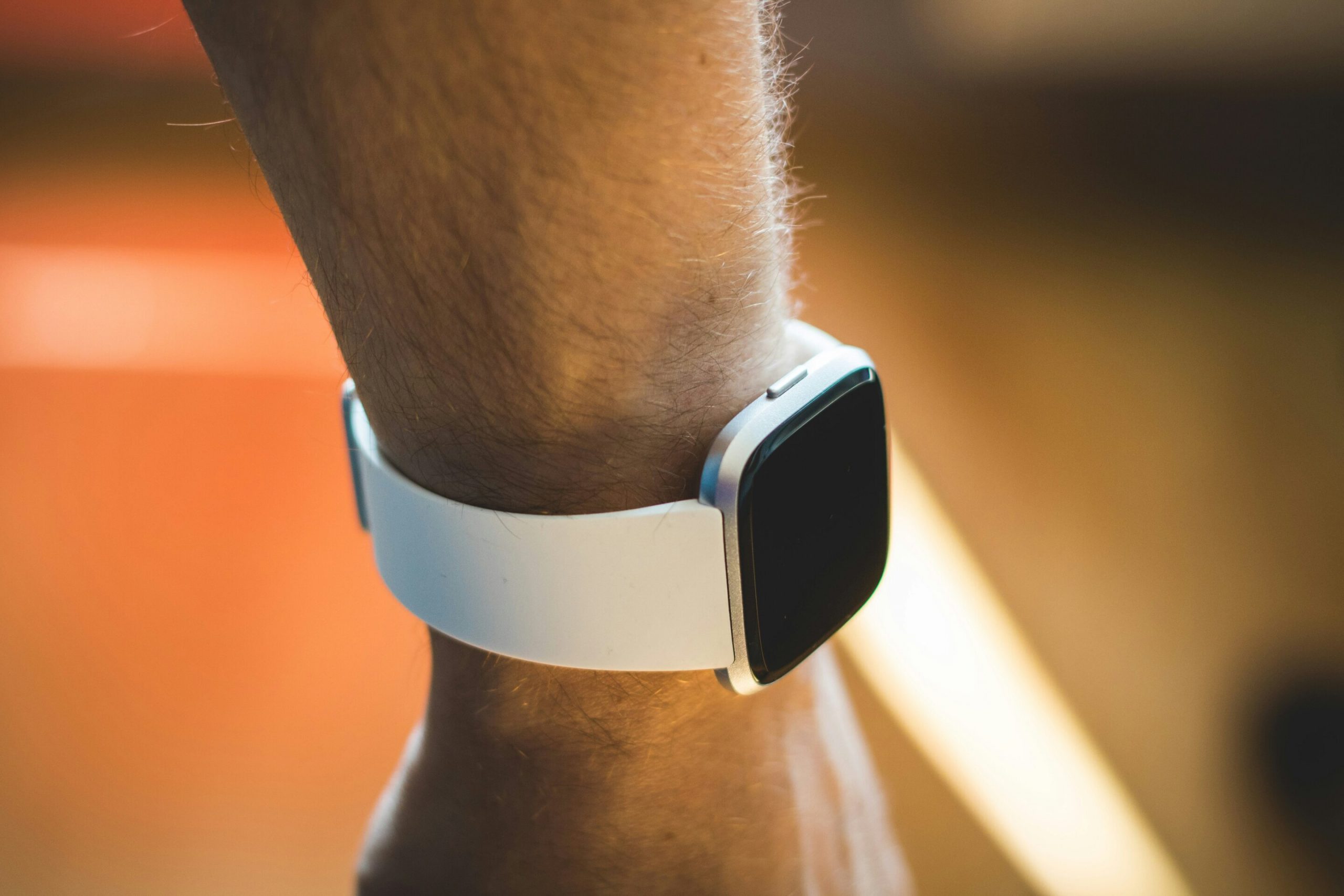
The latest scientific data show that the accuracy of some measurements of smart hours is in doubt. In particular, this applies to stress.
The team of scientists under the leadership of Bjorn Zip for three months collected information from almost 800 users of smart watches. It turned out that the coincidence of data from the clock and data report was minimal. This was especially true for measuring stress. In other words, when wearable devices reported stress, people themselves rarely felt the same.

One of the reasons for this may be that the clock determines the level of stress mainly by the frequency of heart contractions and its variability. However, a rapid heartbeat can be caused by both positive and negative emotions. For example, fear, excitement, sexual excitement, etc.