More and more means appear on the shelves of stores to restore thinned hair. But which ones are really effective?
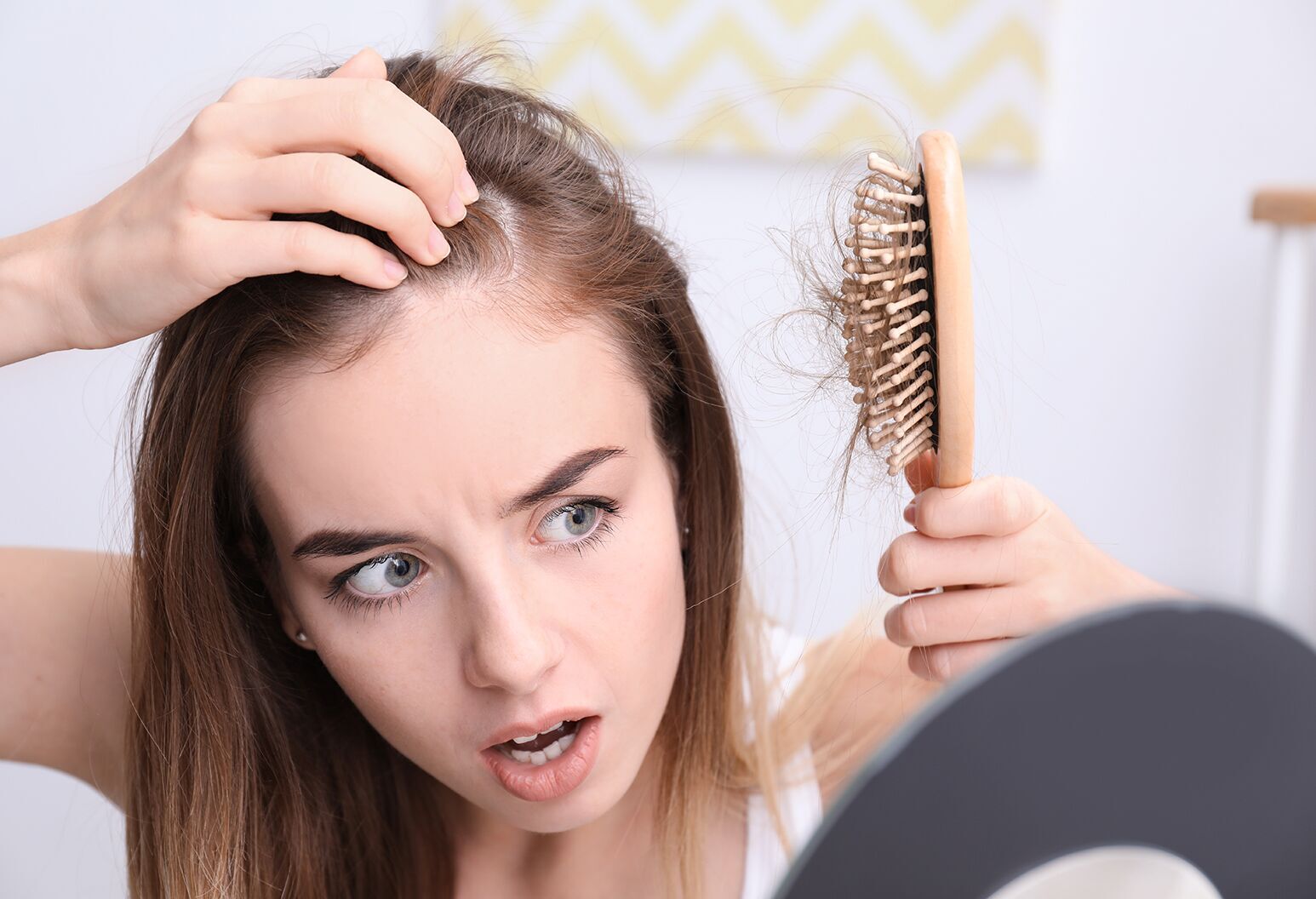
Alopecia (hair loss) is a very common phenomenon. About 80% of men and 50% of women at a certain point in life face one or another form.
The composition of funds that help with alopecia can find both Minoxidil and other ingredients. It is proved that minoxidil, applied to the scalp in the form of a liquid or foam, contributes to the growth of hair with baldness by male and female type and nesting alopecia (Gal). However, in order to see the effect, it takes about 6 months of its daily application and it is not suitable for everyone. About 30% of people grow up again.
There are other methods of treatment of hair loss. For example, in social networks they say about rosy water rinsing, rubbing castor oil into the skin, but there is no scientific evidence of the effectiveness of these methods. There is not enough evidence and benefits of such means as aloe faith in the form of a gel, rosemary oil, caffeine.
Of the surgery, there is a dwarf palm extract. But it may contain an indefinite amount in the product, therefore it does not help everyone. Recipe drugs, unlike over -the -counter, have proven effectiveness. These include finsteride and drugs that affect the immune system.
However, a long -term reception of immunosoding tablets can make you more vulnerable to infections. Therefore, scientists are developing other options for treating hair loss. The team of Professor Natalie Artsi, a chemical engineer in the Brigham and Women’s Hospital hospital, created a micro -iginal patch that is placed on the skin and can deliver drugs directly to the hair follicles and adjacent areas. Mice tests showed that the use of such smart patchmakers every other day for three weeks restored the growth of wool. This effect was preserved after the cessation of treatment.
Another approach that is now being checked is antibodies. The drug is subcutaneously administered, which reduces the level of pro -inflammatory molecules called E (Ige) immunoglobulin. In the course of one experiment, it turned out that after 24 weeks after 24 weeks, people who received antibody injections weekly and the hairline was restored to one degree or another.
For a long time it was believed that frontal fibrosing alopecia was not treated. However, new studies give hope for this. Taking the drug Brepocytinib in tablets for 48 weeks reduced inflammation of the scalp and contributed to the restoration of the hair growth line. True, the result was observed only in some patients, and not in all. The treatment was most effective in the early stages of the disease, before the formation of scars.
News -in -law materials cannot be equated to the doctor’s prescription. Before making a decision, consult a specialist.