In Russia, a material was created that will soon appear in the engines of aircraft and missiles. And he will change everything
25.08.2025
What will happen if the strength of ceramics with plasticity of metal is crossed, and then praise it all with zirconia? But our scientists did not guess and did it, receiving a material that is not afraid of even hellish flame. How can this change our planes, rockets and power plants?
With the word “ceramics” you usually think, well, either about your mother’s favorite cup, or a fashionable frying pan with anti -stick coating. Maybe someone will remember more about the brake discs on sportsmen. In general, this is about something fragile or simply very hard. But definitely not the material from which you can make turbines for a supersonic aircraft or part of a spaceship.
And in vain.
Ferra.ru
Because scientists from Institute of Metallurgy and Materials Sciences. A.A. Baikova races And Institute of Chemistry of the FIC “Komi Scientific Center of the RAS RAS” recently took and created such ceramics that does not melt and does not breakField
MAX FAZS
To understand the whole coolness of the discovery (and why it is necessary), you have to become a couple of minutes A little Material.
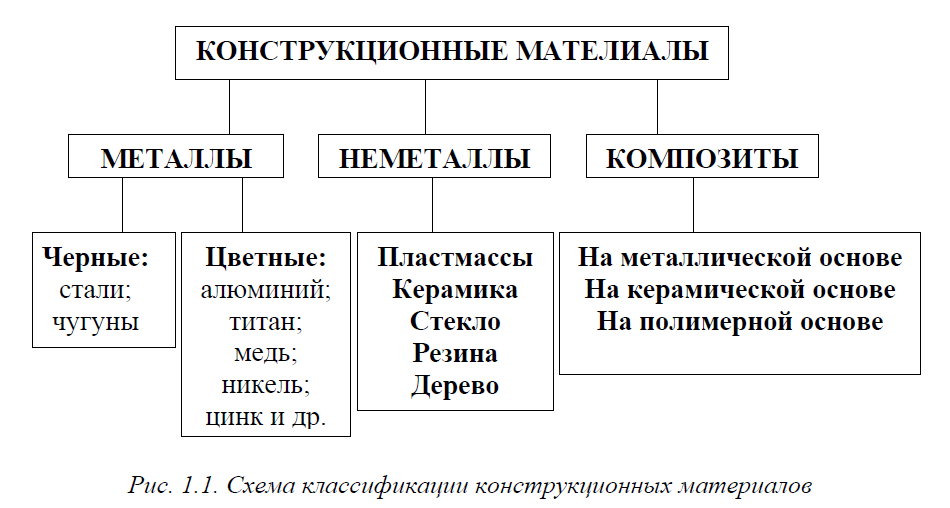
There are conditionally two types of materials: metals (durable, plastic, but at high temperatures flow like plasticine) and ceramics (Firm, heat -resistant, but fragile – dropped, and she cracked). And what to do? That’s right, create a hybrid.
Studfile.net
Such hybrids in the scientific world call MAX falses. If in a simple way, this is a unique family of compounds that combine the best from two worlds: ceramic heat resistance and almost metallic strength and processing (which for ceramics is not obsolete).
And the most popular of them is Titan silicon carbide (Ti₃SIC₂). In it, layers of durable carbide are interspersed with more plastic layers of silicon. This MAX-phase and heat holds well, and does not scatter into the dust from a random blow.
Ferra.ru
But the titanium silicon carbides also have its own ceiling: at about 1200 ° C, noticeable plastic deformations begin, the material begins to “swim”, then it no longer holds the load as it should. Because of this, its application was very limited.
However, scientists have long theoretically predicted that if the atoms of another refractory metal, for example, zirconium, for example, can tighten its temperature threshold into the crystal lattice of this material. But in practice, this has not been possible for a long time to make sure that everything did not stop working as it should.
Bake, but do not mix
Our researchers decided not only to add zirconium powder, but to use an interesting (and potentially cheaper) method – vacuum carbolycotherapy recovery.
Imet ran
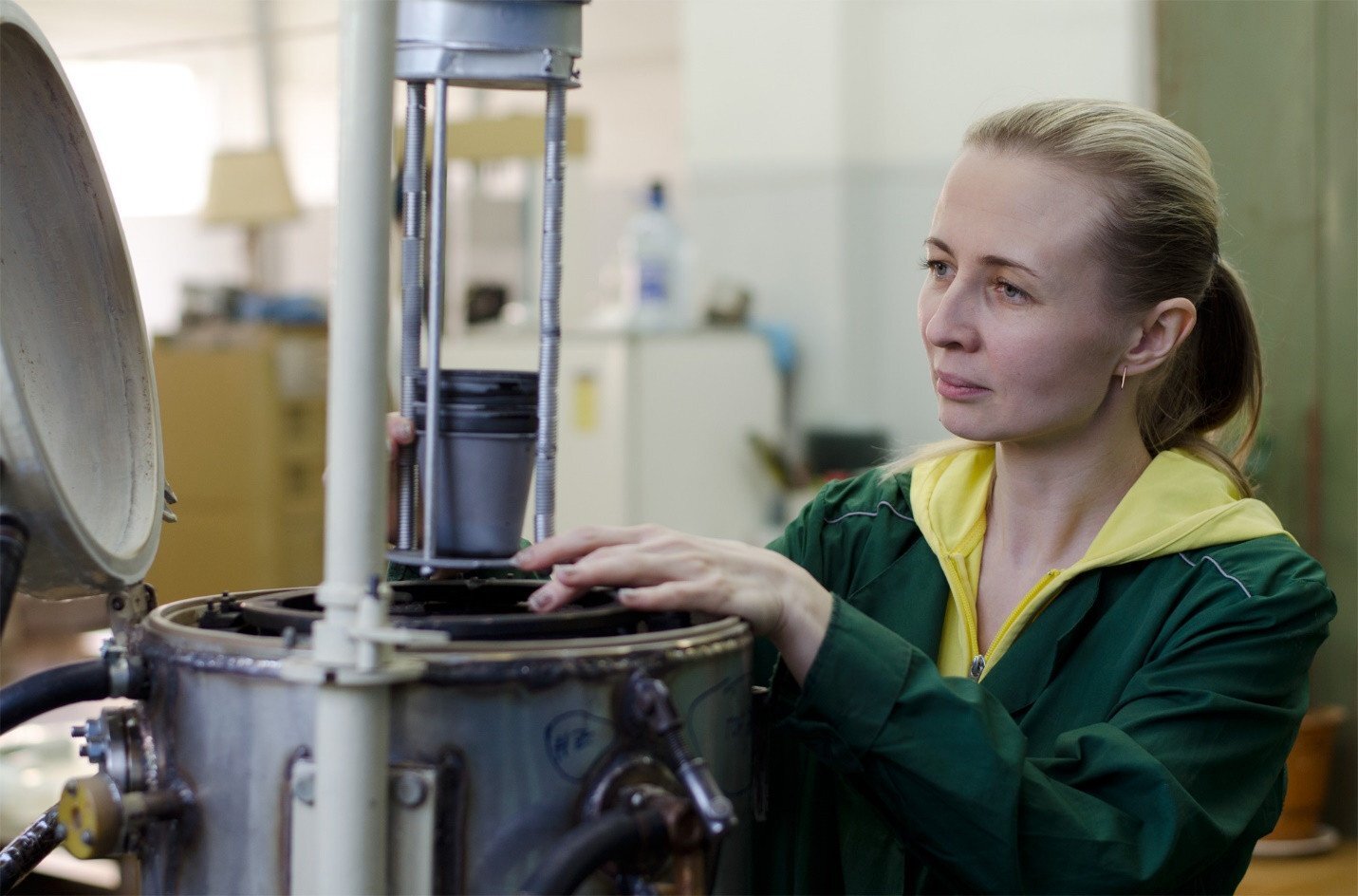
His essence easierthan the name: not pure metals are taken, but their oxides (dioxide TIO₂ and zro₂ zro₂ dioxide) are mixed with silicon and silicon carbide, and then all this is sintering by hot pressing.
As a result, the desired material was already with zirconium atoms built directly into the crystalline lattice – the so -called firm solution (Ti₁₋ₓzrₓ) ₃SIC₂. Two compositions were synthesized: from 10% (x = 0.10) and 15% (x = 0.15) zirconium.
And when they were tested, the results were even better expected.
New mechanics
And now – the most juicy part, numbers. Compared to a pure analogue, in a new material with an addition of 15% zirconium The hardness of Vickers has almost doubled: from 3.9 to 6.8 GPa. The bending strength at room temperature also jumped – from 314 to 487 MPa. But the main trump card is, of course, the temperature.
Ferra.ru
So, the addition of zirconium raised the bar of the transition from fragile to plastic to 1600 ° C. (which is higher than the melting point of most steels). But that’s not all. The most amazing thing is that even with these 1600 degrees, the new material (with 15% zirconium) retained 64% of its original strength.
For materials that work in conditions of 1200–1600 ° C, such indicators are a real application for practical application.
Where it is useful
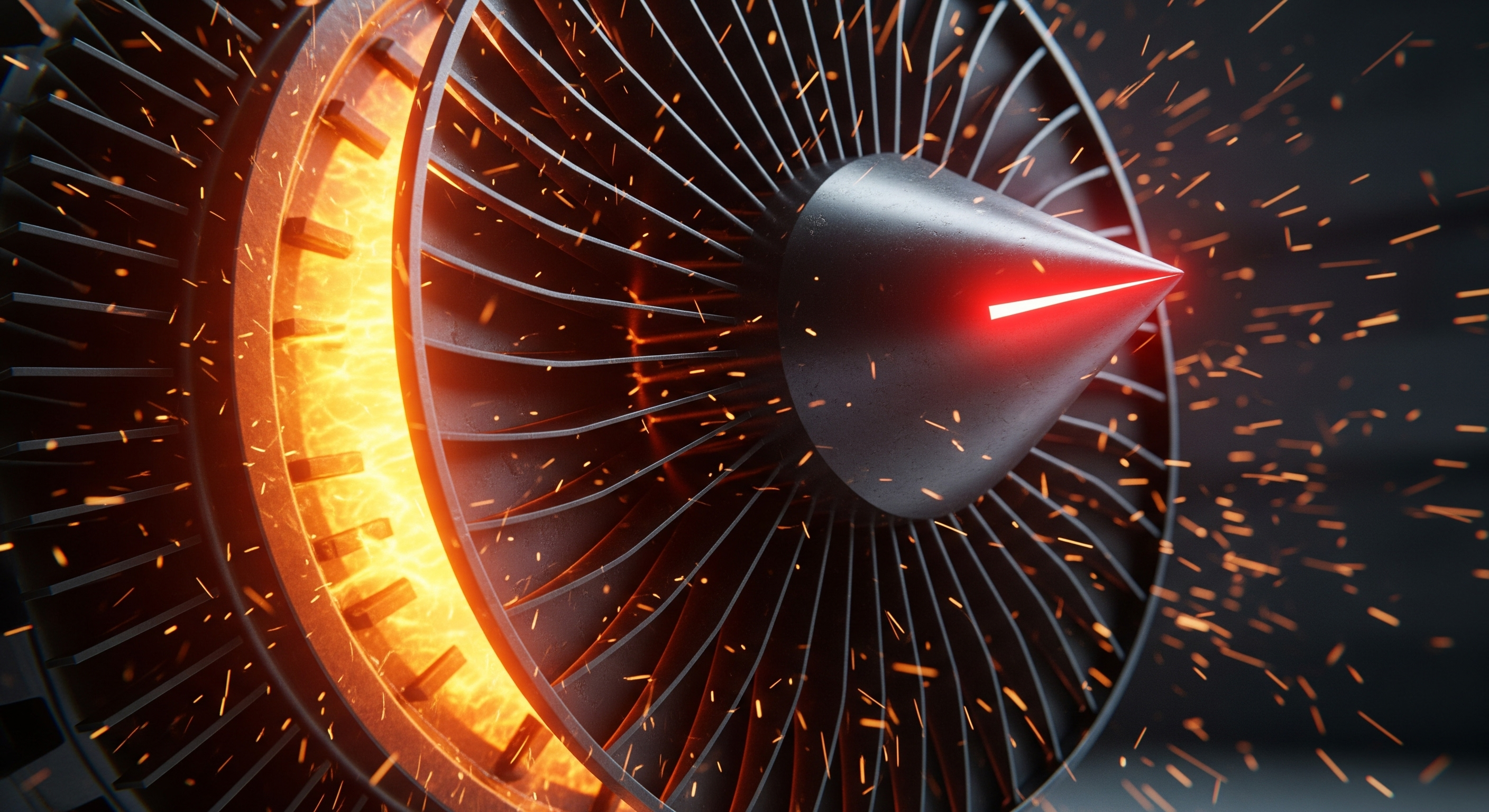
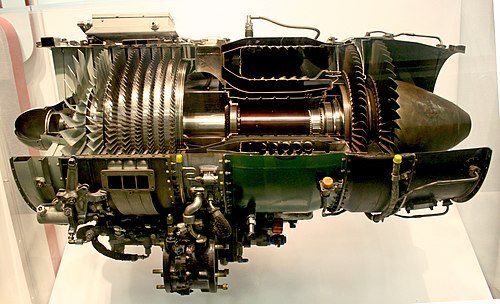
The most obvious use is gas turbine engines (both aircraft and industrial). In the combustion chamber or on the turbine blades, the material works at high temperatures and under load, while weight and durability are critical. Metals in these conditions either need to be cooled, or make them from super payers – expensive and heavy. Ordinary ceramics are heat -hearted, but it breaks easily.
The shoulder blades of gas turbine engines, as a rule, melt at temperatures over 1400 ° C Wikimedia Commons
But the MAX-phase with improved heat resistance gives a compromise. More heat -resistant materials are an opportunity to increase the temperature in the combustion chamber. And the higher the temperature, the higher the engine efficiency, less fuel consumption and emissions.
In general, such a material is good for energy, aerospace equipment and even defense dishes – wherever the combination of heat resistance and durability is required.
And in itself zirconium, the concept of the MAX-FAZ upgrade brilliantly confirms: you change one element in the crystal lattice-and you get material with completely new properties. What was the theory and a beautiful idea finally came true.
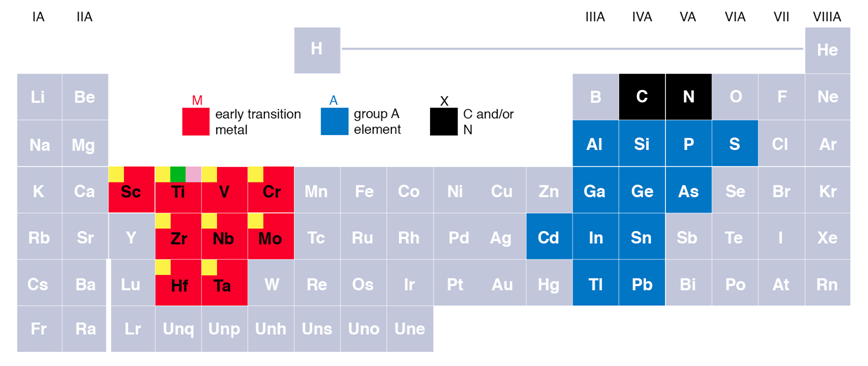
Elements of the periodic table of Mendeleev, which interact with each other, forming max phases. Red squares indicate M-elements (metals); blue – elements A (metal/non -metall); Black – X (carbon or nitrogen) Dr. Michel Barsum
As for the method, the approach of scientists guaranteed the highest purity of the final product with minimal impurities. And this is in the material science – alpha and omega. That is exactly what they achieve results that can not only be repeated in another laboratory, but also (which is more important) Massage produceField
The uniqueness of our development is that it was predicted theoretically, but was not obtained in practice. We have reached a record high strength for bending for materials based on MAX-phase at a temperature above 1200 ° C.
Elena was the same Leading researcher at the Institute of Chemistry of the Federal Research Center “Komi Scientific Center of the RAS RAS”
Of course, before introducing the material, you need to solve a couple of questions. Understand how the material behaves in the cycles of heating-cold, how it is oxidized in the combustion products of fuel, how it can be generally produced and integrated into existing assemblies.
But the fact itself is a shift of BDTT (Brittle-to-DucTile Transition Temperature) in the direction of 1600 ° C and good holding of strength at such temperatures is very cool.
So here, ceramics are different Pinterest.com
In fact, this development opens the way to create a whole new class of materials.
And there, you look, and we will fly faster, and electricity will become cheaper.
Los Angeles, December 2025 — Disney, one of the world’s leading media and film companies, officially announced a cooperation agreement with OpenAI. Under the
Ashgabat, 13 November 2025: On 13th November2025, the United Nations Development Programme (UNDP) in Turkmenistan, in cooperation with the Ministry of Communications of Turkmenistan,
A strategic move for digital sovereignty Following the completion of TikTok’s US segment sale, Oracle Corporation will assume control over the platform’s recommendation algorithm