It is believed that the consumption of a large amount of fiber improves digestion, promotes a more regular stool, increases the amount of intestinal bacteria, and can help alleviate the symptoms of irritable intestinal syndrome. But it is important with these products not to overdo it, otherwise the result will be the opposite.
Sudden oversaturation of the intestines with one nutrient element can have unforeseen consequences. Some supporters of the consumption of a large amount of fiber offer per day to receive more than 50 g of this substance. This can lead to bloating, spasm, diarrhea.
An important role is played by types of fiber. Soluble fiber absorbs water in the intestines and slows down digestion, and insoluble helps to accelerate digestion. There are also fermented fibers that serve as food for bacteria in the large intestine.
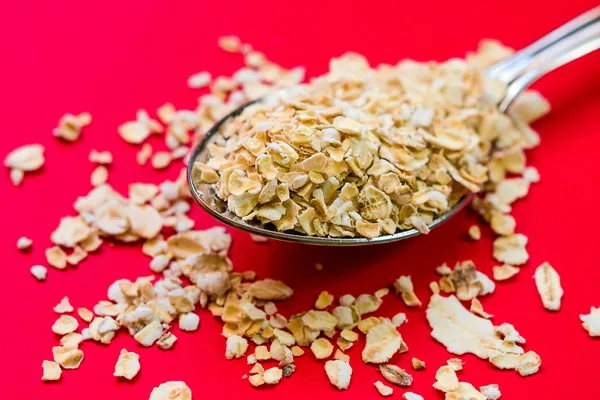
For good health, we need a balance of all these types of fiber. An excess of insoluble fiber (contained in wheat bran and some vegetables) increases the volume of the stool, but can irritate the sensitive intestine. There are also certain types of fiber, which the intestines hardly absorb and which can aggravate the syndrome of irritated intestines.
The fiber is the first thing to hint at the lack of fatigue and weight gain. These are the first alarming signs of its deficiency.
News -in -law materials cannot be equated to the doctor’s prescription. Before making a decision, consult a specialist.