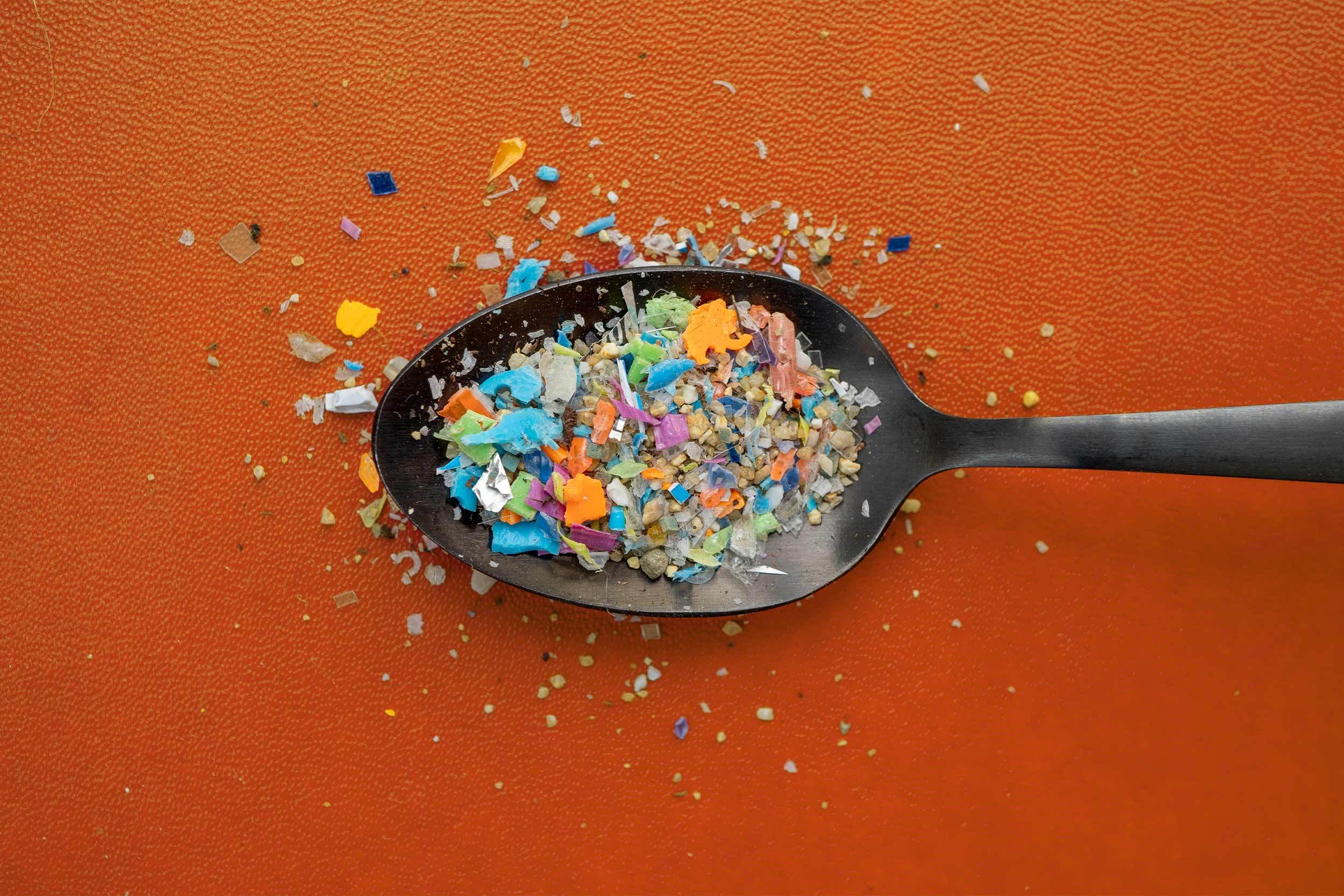
Microplastics around us are everywhere. However, more and more studies show that it can become a nursery of bacteria resistant to medications.
When bacteria are faced with a wooden chip or door hand, they stick to it and each other. As a result, a biofill is formed. As they attach, they grow and multiply, notes Muhammad Zaman, a biomedical engineer from Boston University.
When bacteria are close to each other, this facilitates the transmission of genetic material from one cell to another. The more chances they have to exchange genes, the higher the risk of DNA spread that is resistant to antibiotics.
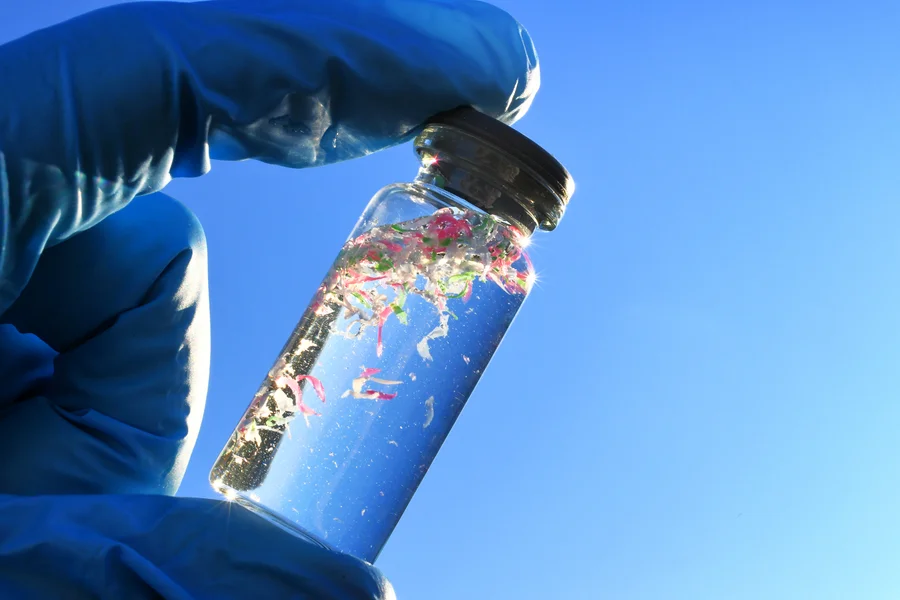
As part of one study published in March, scientists tested Escherichia Coli in various environments grown in the laboratory. Including microplastics, on small fragments of glass and in cellular cultural media. It was found that pathogens in the plastic sphere not only grew faster, but it was more difficult to destroy them when treating several different antibiotics. This effect turned out to be stronger than experts expected: after the use of the antibiotic of ciprofloxacin, the stability of E. coli, grown in microplastics, was 75 times higher than that of bacteria, which were grown separately.
Apparently, this effect is characteristic not only for bacteria that are grown in the laboratory. Researchers from Germany and Poland added microplastics to water samples taken from the Odra River. According to the results published in the journal Scientific Reports, a week later the incubation of pathogenic bacteria (E. coli, Klebsiella pneumonia and salmonella) was more in samples with the addition of plastic than in samples without it. The number of resistance genes to antibiotics was also higher in plasters.
But how do these genes of resistance to antibiotics in microplastics arise? As part of the study published in the journal Scientific Reports, scientists believe that antibiotics can be attached to microplasty. Experts showed that amoxicillin antibiotics and tetracycline are attached to microplasty, and the older the plastic particle, the easier this attachment occurs.