About two -thirds of atmospheric methane – a powerful greenhouse gas – are distinguished by microbes living without oxygen: in swamps, rice fields, on landfills and in the stomachs of animals. It is difficult to determine where exactly it comes from: usually scientists analyze the isotopic “imprint” of carbon and hydrogen in methane, which depends on its source.
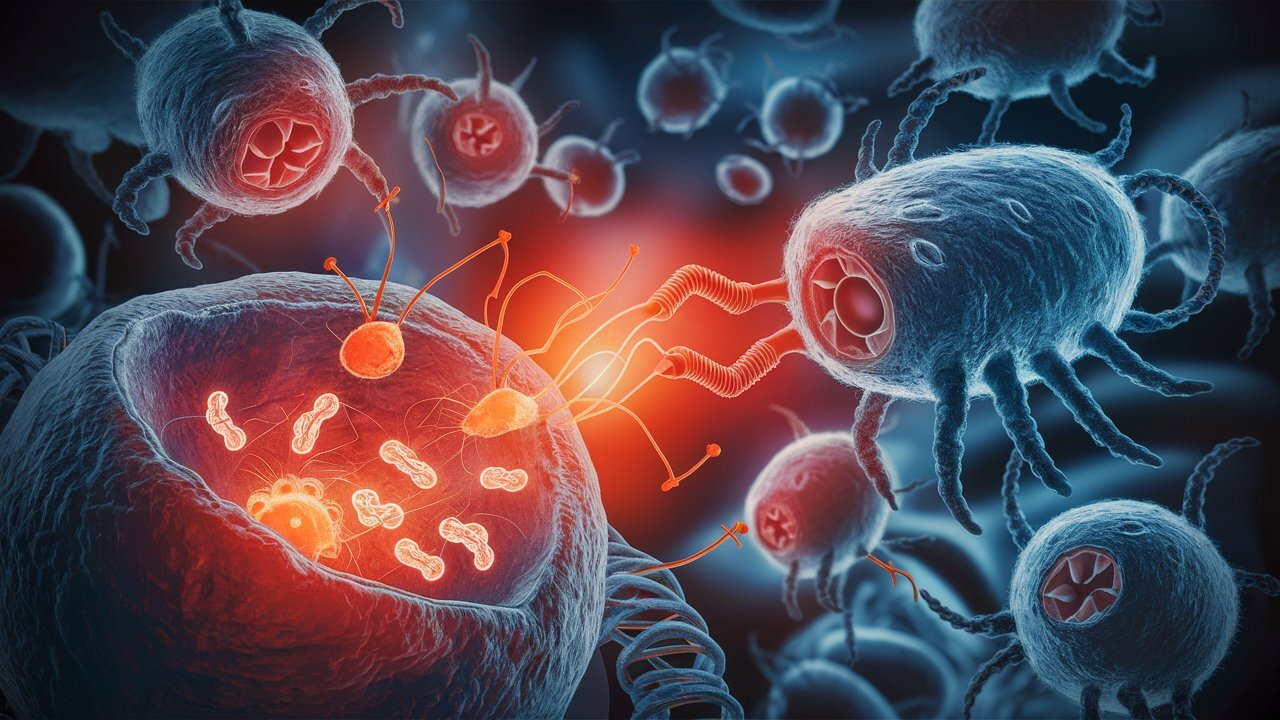
Researchers from the University of California in Berkeley for the first time used CRISPR technology to change the operation of the key enzyme methanogen – microorganisms producing methane. They found that the isotopic composition of methane depends not only on what microbes (vinegar, methanol or hydrogen) feed on, but also on the amount of food, environmental conditions and reaction of the microbes themselves to these changes.
When the enzyme becomes smaller, methanogene changes the work of other enzymes, slowing down the formation of methane. At the same time, more hydrogen atoms from the water, and not from food, are entering the molecules, which changes the “isotopic trace”. This discovery may mean that the contribution of some groups of microbes, such as vinegar eaten into methane emissions, is underestimated.
The method allows you to more accurately determine the sources of methane and can be used to study other biochemical processes. In the future, scientists hope to change methanogene so that they direct energy not to the production of methane, but to useful substances.