Experts from the University of Florida presented a new method for obtaining biodegradable polyurethane without toxic ingredients.
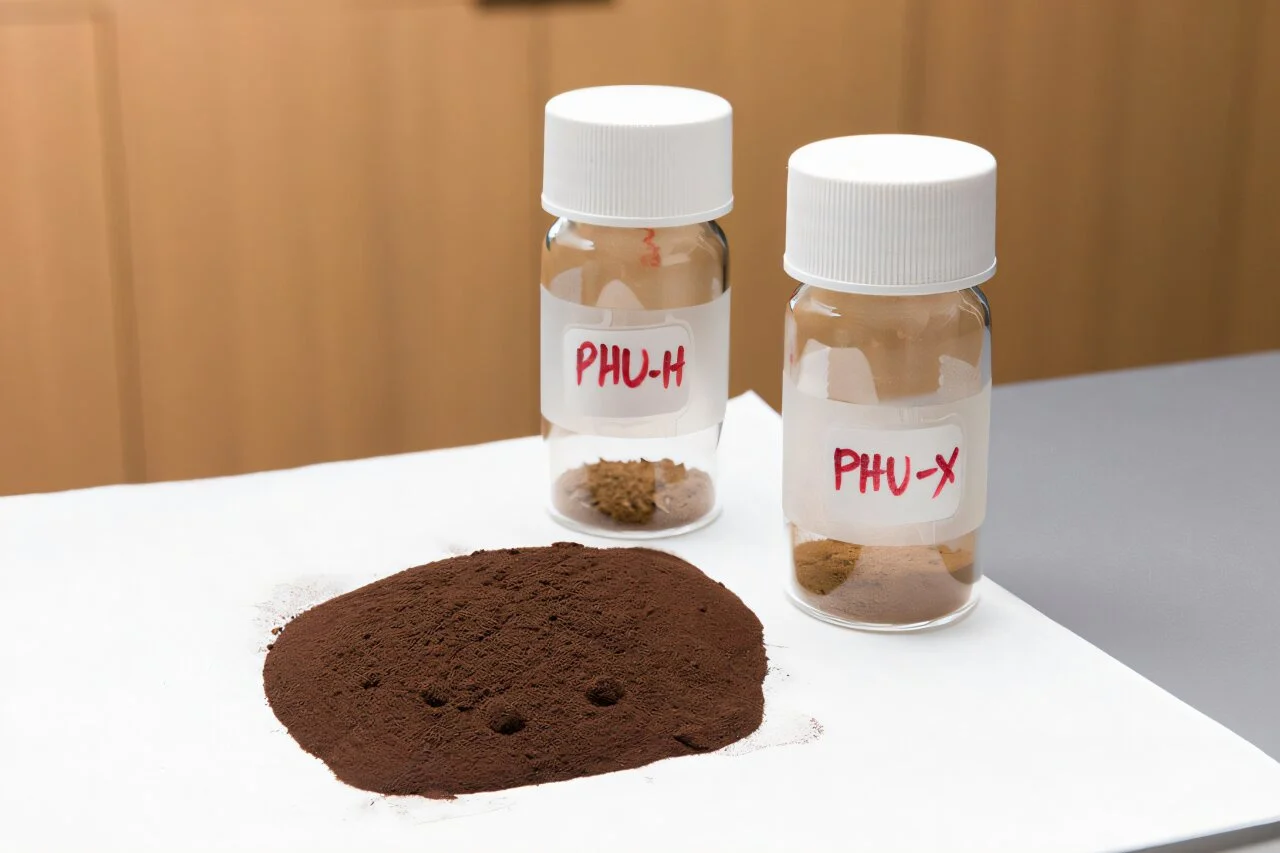
The development of the associate professor of Hoen Chung uses lignin – a natural polymer from the cell walls of plants, as well as carbon dioxide, which makes the process more environmentally friendly and energy -efficient.
Traditional polyurethane is carried out using isocyanates that are toxic and dangerous to health. The new method completely eliminates their use, while maintaining the strength, heat resistance and elasticity of the finished material.
Moreover, the resulting bioplastics is easier to process: it dissolves in organic solvents, which gives it an advantage over many other types of “green” polymers.
The special value of the development is that it allows you to use by-products of the pulp and paper industry, turning waste into a valuable resource.
The scalability of the method opens up prospects for industrial implementation. According to researchers, a reduction in the number of stages of synthesis and energy consumption makes new polyurethane more affordable and useful for ecology.