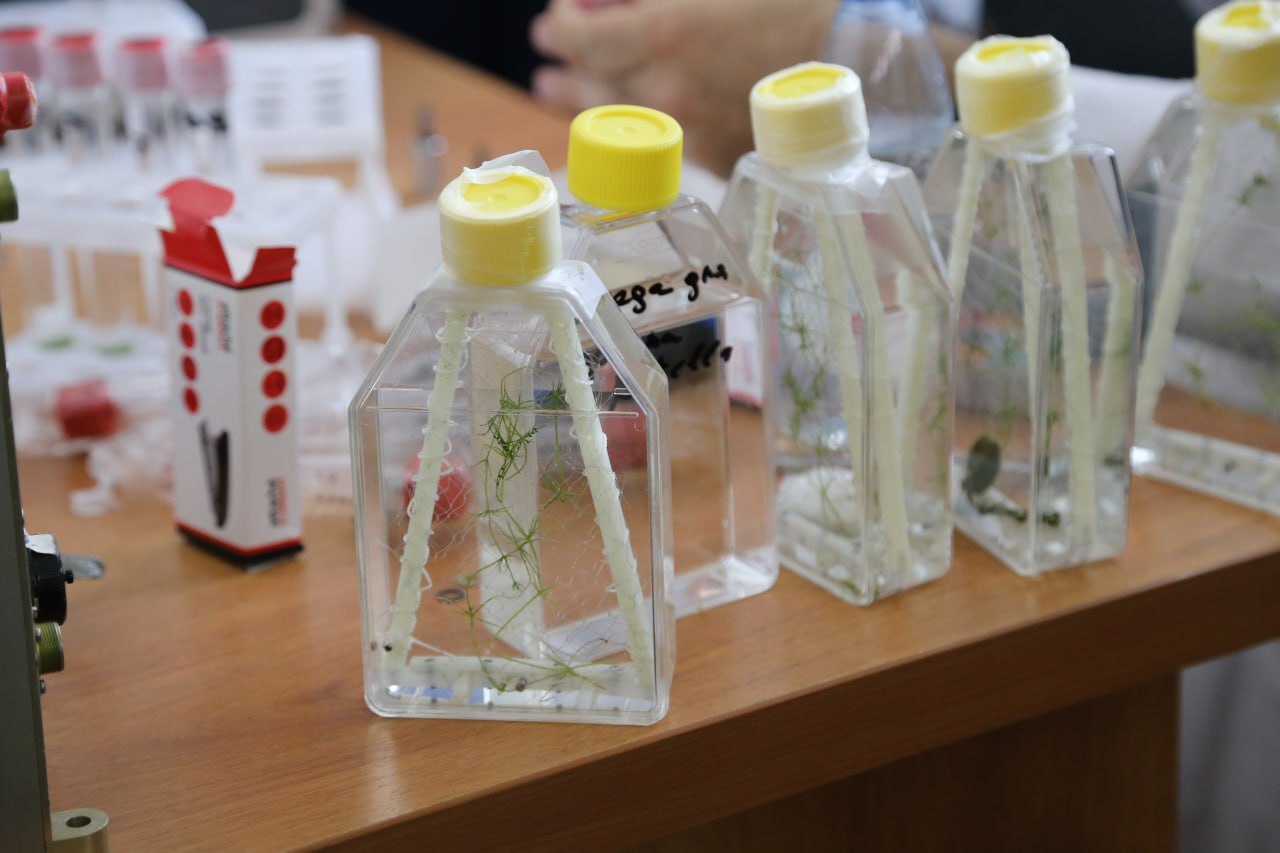
Scientists of the IMBP RAS conduct experiments on the Bion-M spacecraft No. 2 to understand how weightlessness and cosmic radiation affect living organisms, Roscosmos said.
Drosophils participate in the experiment. They are chosen due to the similarity of genes with a person, a short life cycle (10–14 days), simple genetics and high fertility. For a space flight, scientists calculated the optimal number of flies and prepared a nutrient medium so that the larvae develop controlled. Flies will fly in special plastic tubes.
Also in orbit there will be ants – a school experiment, which will be discussed later. Plants will become part of more than five studies.
Scientists will study:
-
Height shoots of the moss and the direction of growth under microgravity,
-
Structure and the chemical composition of medicinal plants, such as calendula and echinacea,
-
Biochemistry grain and legumes,
-
Germination seeds, growth and genetic changes in algae.
The results will help to develop pharmaceuticals, agriculture and control of the ecology of reservoirs. Seed of tomatoes for a joint school project of Russia and Belarus will also be sent to orbit.
Microorganisms did not stand aside: scientists will study rhizosphere mushrooms living near the roots of plants to understand how space affects their genetics. These data will help create new agro -industrial drugs.