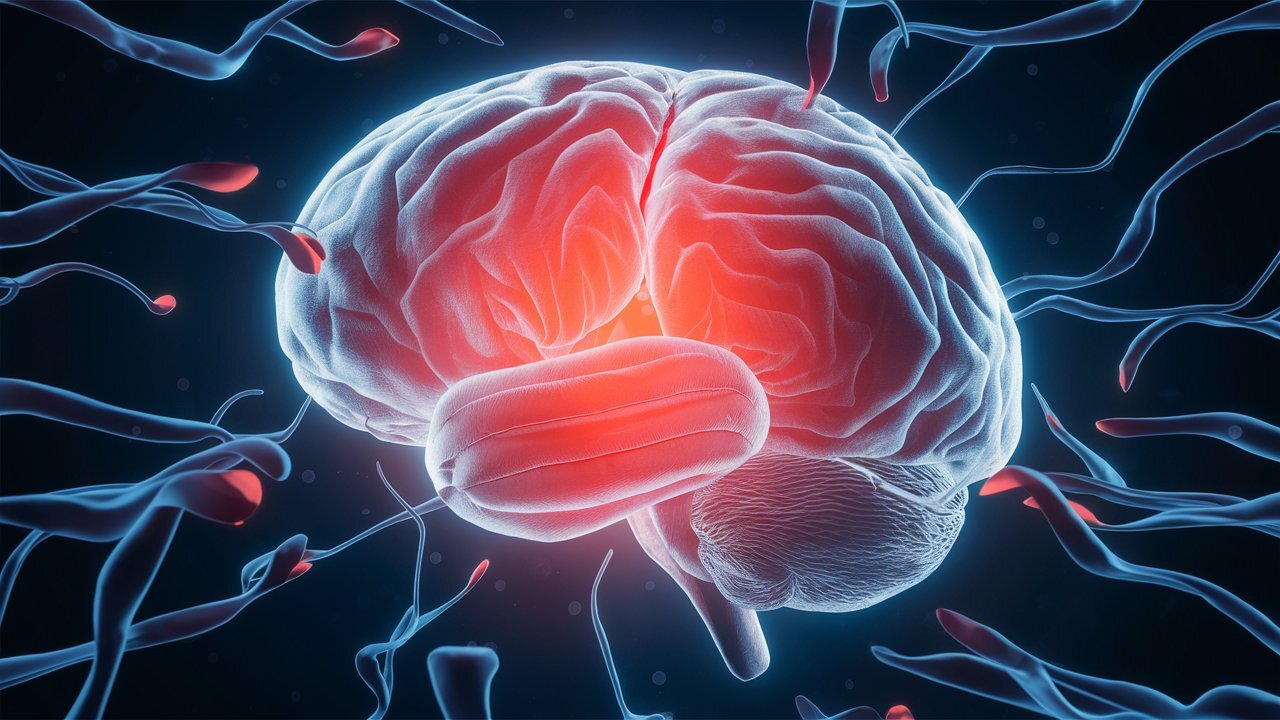
The International Group of Scientists from the University of Rocher and Dublin University found out how the brain combines visual and sound signals to make decisions faster. The study showed that at the early stage, each sensor is processed separately, but the final signals are combined in the musculoskeletal system, which allows to accelerate the reaction.
During the experiment, the participants showed moving points on the screen and at the same time lost sound tones. People had to press the button when changing the picture, sound or both at the same time. Recording the activity of the brain using electroencephalography (EEG), the researchers found that visual and auditory information are accumulated separately, and then combined during the formation of the motor command.
Scientists tested two computer models-in one sensory signals they “competed” for the right to launch an answer, in the other-at first they were integrated and then transferred to the musculoskeletal system. After the introduction of small delays between the audience and auditory signals, it became clear that the integration model describes the behavior of the participants much better.
The authors call the results an important step in understanding how the brain combines information from different senses. The data obtained will help to better explain the differences in behavior in patients with neurological disorders and in the future to develop new methods of diagnosis and rehabilitation.