Researchers from the University of British Colombia (UBC) have found a way to increase the efficiency of thermonuclear synthesis, inspired by the 1989 scandal with a “cold synthesis”. Then chemists Martin Fleischmann and Stanley Pons said they could cause synthesis of atoms in a glass jar with heavy water and electrodes from palladium and platinum. The news caused a sensation, but the experiment was erroneous and impossible for repetition.
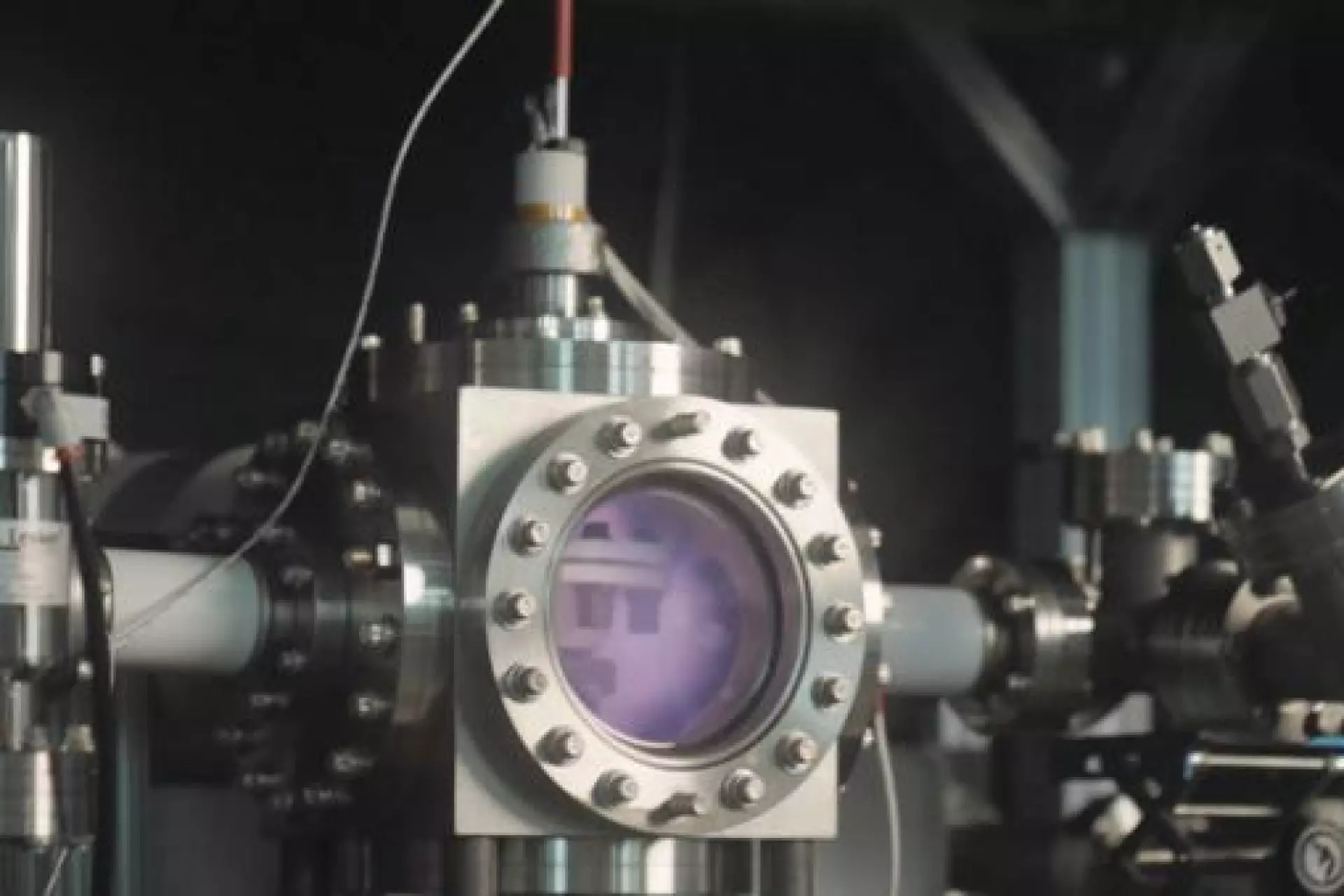
Now Palladium is used again, but in a new approach. The main complexity of thermonuclear synthesis is to achieve a high concentration of hydrogen isotop. The UBC team created a target from Palladium and on the one hand loaded it with deore using the Thunderbird plasma reactor, and on the other, added even more deater through an electrolytic cell.
The main achievement is the use of only 1 voltage of electricity in order to achieve the concentration of deuterium, which usually requires pressure in 800 atmospheres. Overloading of the deater atoms increases the likelihood of a merger by about 15%. There is no energy return yet, but the method opens up new ways to practical thermonuclear synthesis.