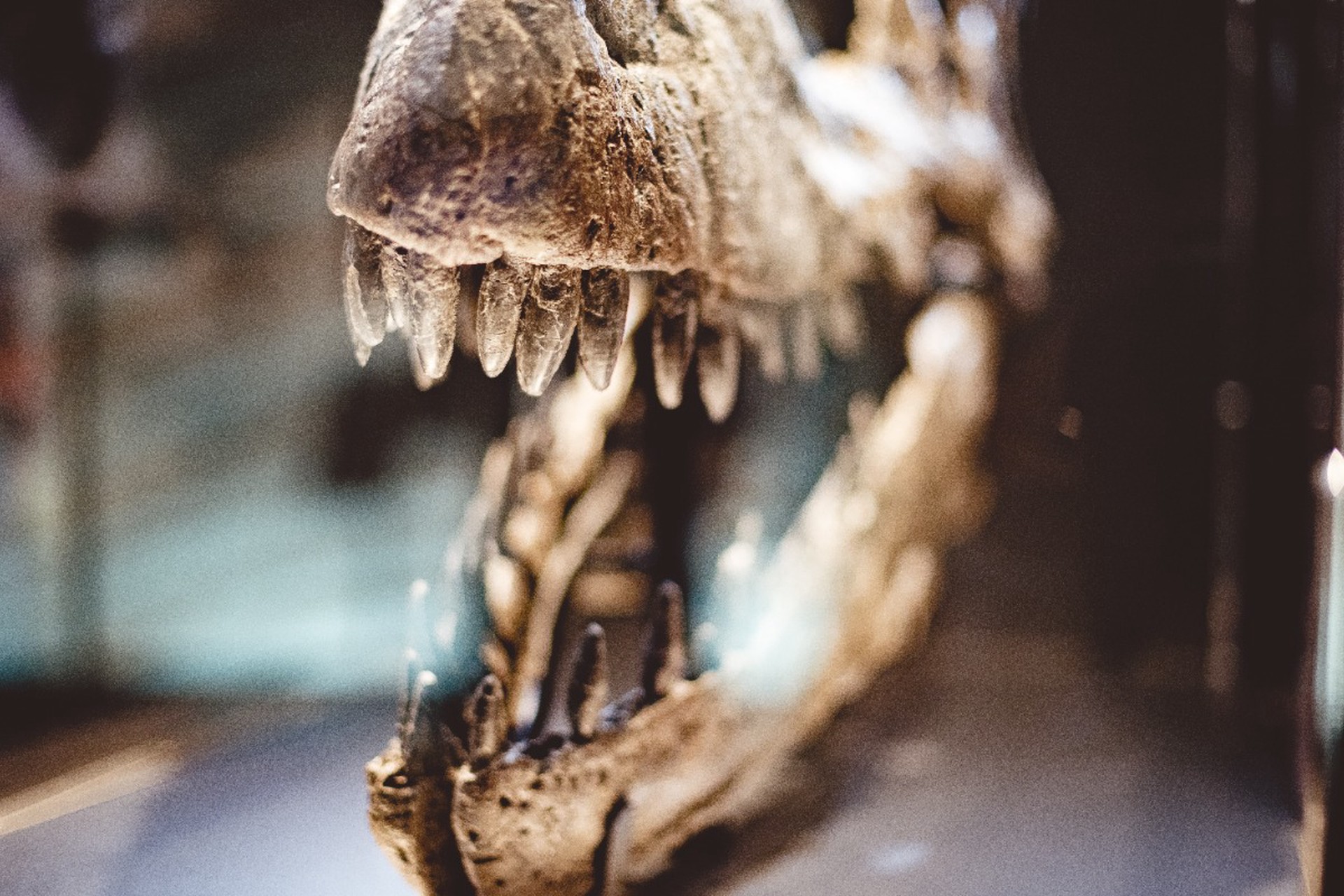
In the Gobi Desert of Mongolia, scientists have discovered an almost complete skeleton of one of the most mysterious dinosaurs in history. According to NBC News, the find belongs to a pachycephalosaurus that lived approximately 108–115 million years ago.
The remains of the young dinosaur are remarkably well-preserved: more than half of the skeleton, including its iconic dome-shaped skull, has survived the passage of time. Researchers describe this discovery as a major step forward in understanding dinosaur anatomy.
Pachycephalosauruses — bipedal herbivorous dinosaurs — are believed to have lived in Asia and North America during the Cretaceous period. Until now, very little was known about them, with only fragmentary remains previously found. This new specimen opens the door to deeper insights into their structure and lifestyle.
These discoveries allow us to peer into the depths of human and natural history, making the past more vivid and tangible.