
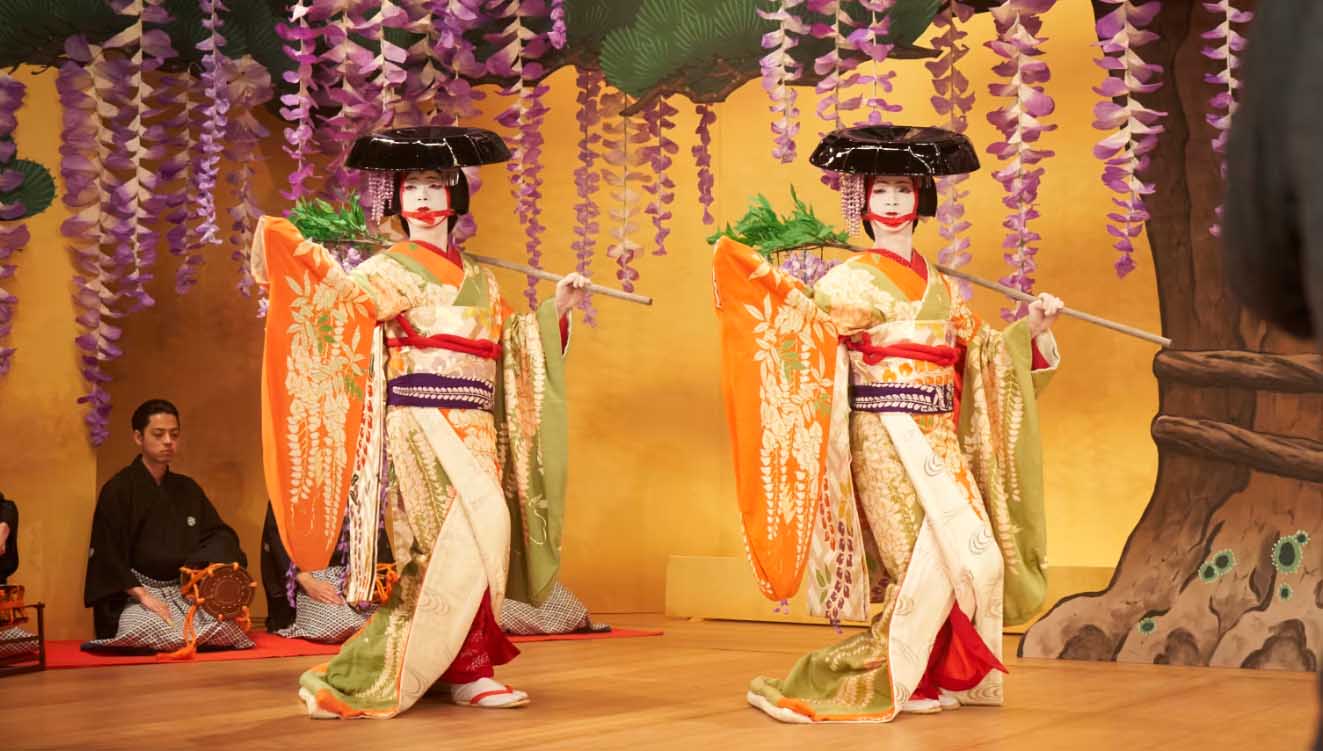
Japan’s ancient stage art of kabuki is finding new life through cinema. Directed by Lee Sang-il, Kokuho has become the highest-grossing live-action film in the country’s history. The film highlights the 400-year-old kabuki tradition and its confrontation with modern challenges.
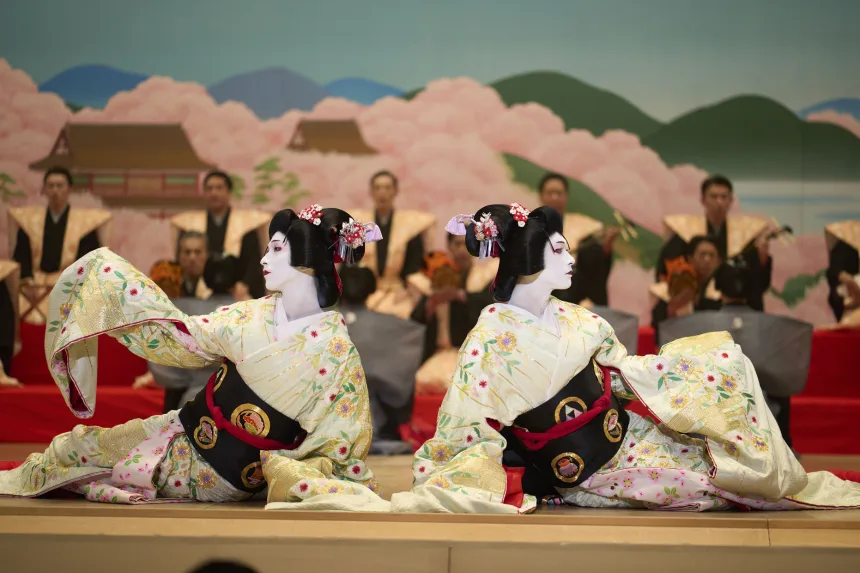
The story spans more than half a century, following a former yakuza who is taken in by a renowned kabuki master. Lead roles are performed by Ryo Yoshizawa, Ryusei Yokohama, and Ken Watanabe. The film explores friendship, rivalry, and the sacrifices required to preserve the art.
Kokuho quickly became a sensation in Japan. More than 12 million viewers have seen it, with total earnings reaching ¥17.37 billion (about $111 million). It premiered at Cannes in the Directors’ Fortnight section before expanding nationwide.
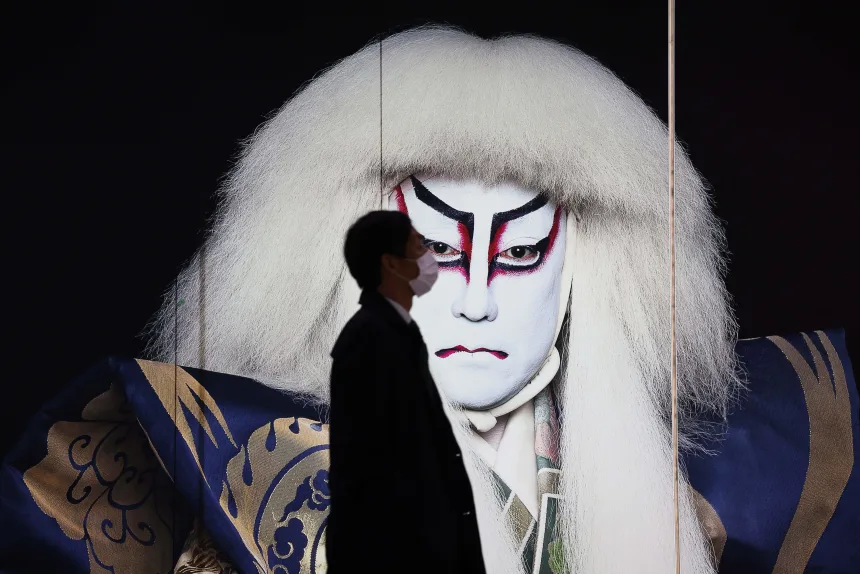
Japan has selected the film as its official submission for the Academy Awards in the Best International Feature category. Kokuho has already screened in Los Angeles and New York, with a full U.S. release planned. Critics note that the film is significant not only for cinema but also for the revival of national heritage.
Kabuki is recognized by UNESCO as part of Japan’s cultural heritage. Yet in recent years, younger audiences have shown less interest. Kokuho is seen as an opportunity to reintroduce this art form to new generations and secure its future.
Conclusion: Kokuho is more than a record-breaking film; it is a vital step toward bringing kabuki back to the global stage.